
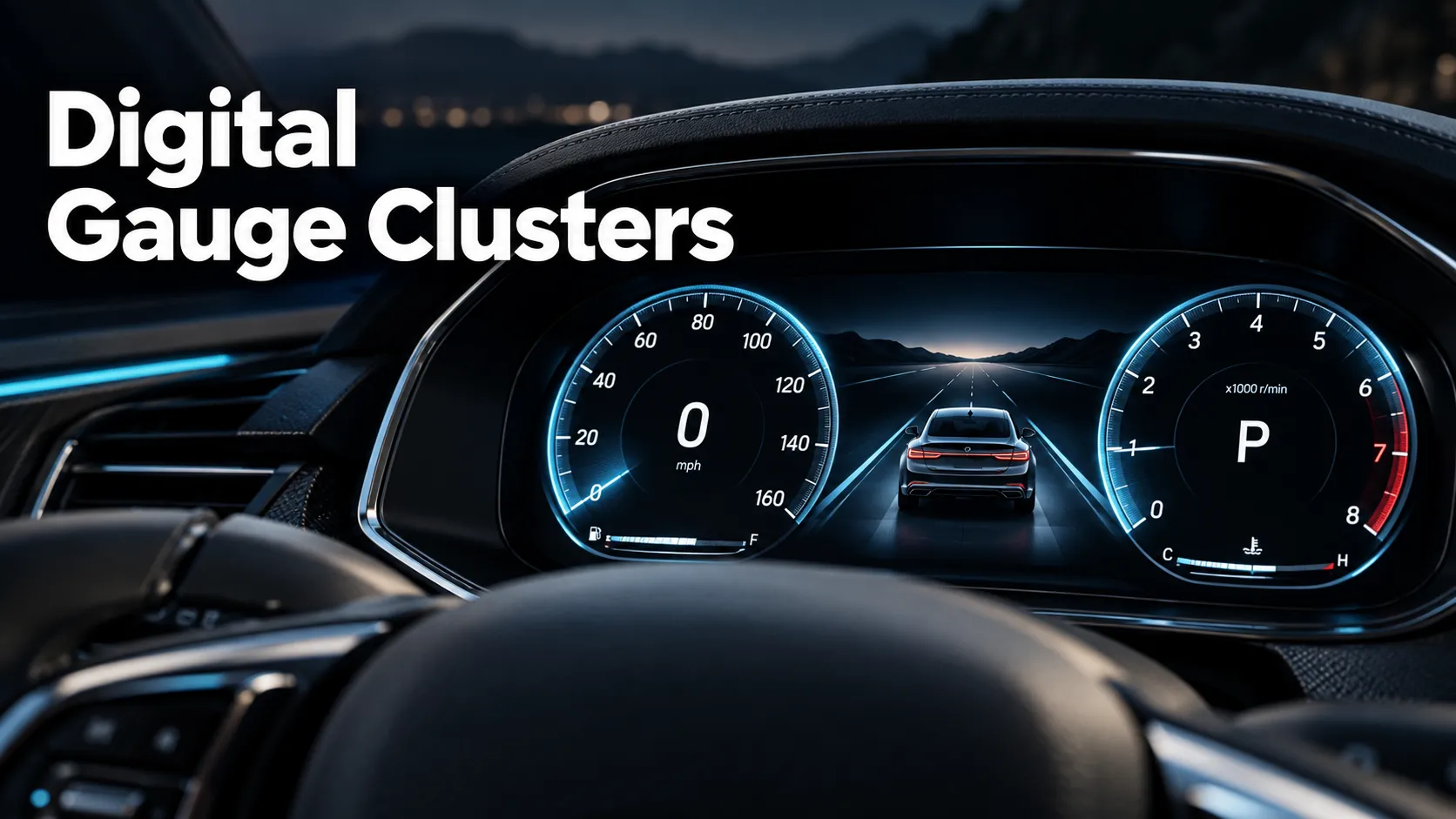
Yes, digital gauge clusters can be reliable, but they depend more on electronics, software, and vehicle voltage than analog gauges do. In normal driving, many work well for years. The tradeoff is that when they fail, the repair is often more complex and costly than fixing a traditional cluster.
Digital dashboards are now common in everything from compact sedans to full-size trucks and EVs. I get why drivers ask this question, because the cluster is one of the last things you want to lose on the road. Here’s how they hold up, what tends to go wrong, and what you can do to keep one working properly.
Are Digital Gauge Clusters Reliable? The Short Answer for Drivers
What “reliable” means in a digital instrument cluster
When I talk about reliability, I mean more than just whether the screen turns on. A reliable digital cluster should show speed, fuel level, warning lights, and other key information accurately, every time you start the car. It should also keep working through heat, cold, bumps, and normal electrical wear.
Digital clusters can meet that standard, but they rely on more parts than analog gauges. That means there are more possible failure points.
How digital clusters compare to analog gauges in everyday use
In daily driving, digital clusters usually do a great job. They are easy to read, can show more information, and often integrate with driver-assist features. Analog gauges, though, have a simpler design. A needle and a motor are easier to understand and sometimes easier to keep working after years of use.
Bottom line: digital clusters are often reliable enough for normal ownership, but analog clusters still have the edge in mechanical simplicity.
How Digital Gauge Clusters Work and Why That Matters for Reliability
Display screen, processor, and sensor inputs
| Cluster component | What it does | Why it affects reliability |
|---|---|---|
| Display screen | Shows speed, warnings, and gauges | Can fail from dead pixels, dimming, or backlight problems |
| Processor | Runs the cluster’s graphics and logic | Software bugs or hardware faults can freeze the whole unit |
| Sensor inputs | Receives data from the engine, transmission, and body modules | Bad input can make the cluster show wrong readings |
Digital clusters work like small computers. They take information from sensors and control modules, then turn that data into the display you see. If the screen, processor, or input signal has a problem, the driver can lose part or all of the display.
Software, wiring, and vehicle network communication
Most modern clusters communicate over the vehicle’s network, often through CAN bus systems. That lets the cluster share data with the engine computer, body control module, and infotainment system. It also means a wiring issue or module communication fault can create symptoms that look like a bad cluster.
For a good technical overview of how vehicle electronics are structured, I like the resources from the National Highway Traffic Safety Administration. It’s a solid place to understand how safety-related systems depend on electronics.
Why one failure point can affect the entire cluster
With analog gauges, one needle can fail while the others still work. With a digital cluster, one problem can take out the whole display. That’s the big reliability tradeoff. A single software crash, power drop, or internal board failure can blank the entire dashboard.
If your digital cluster goes dark while driving, do not assume the car is fine just because it still runs. You may lose speed, warning lights, or other critical information.
Common Reliability Problems With Digital Gauge Clusters
Screen freezing, lag, or blackouts
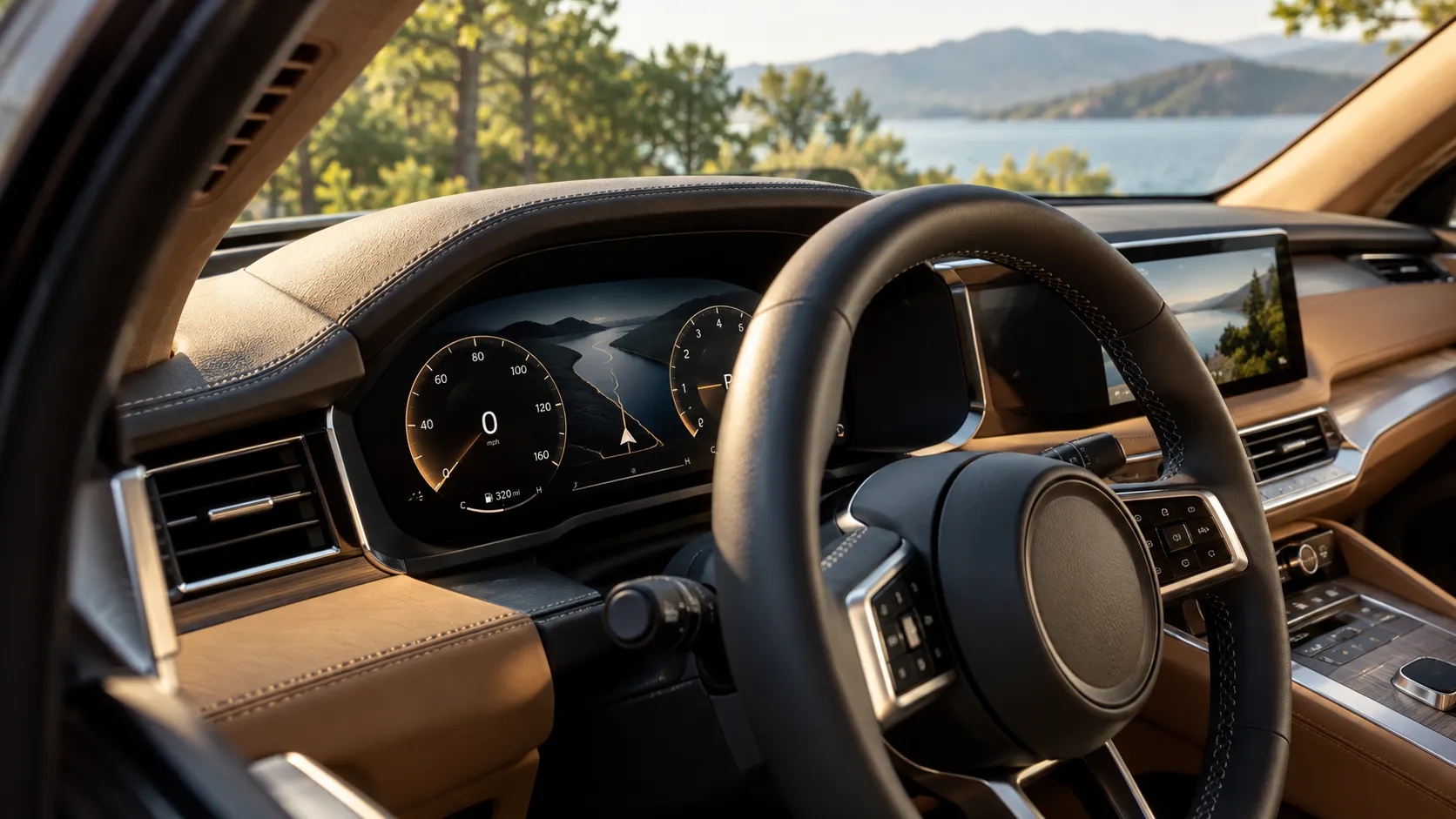
The display may pause, update slowly, or respond late after startup. This often points to software trouble, a weak power supply, or a failing module.
A full blackout can come from a failed screen, bad fuse, internal board issue, or communication loss between modules.
Pixel issues, dimming, and backlight failure
Some clusters develop dead pixels, faded sections, or dim lighting that makes the display hard to read. Backlight problems are especially frustrating at night. These issues may start small and get worse over time.
Software glitches after updates or battery/” title=”8 Best Cordless Inflators Battery Operated for Fast, Convenient Inflation”>battery disconnects
After a software update, battery replacement, or long disconnect, some clusters need to relearn settings or reboot correctly. If that process goes wrong, you may see missing gauges, warning lights that stay on, or odd graphics. This is one reason I always recommend checking for manufacturer updates and service bulletins.
Heat, moisture, and electrical damage
Cabin heat is hard on electronics. So is moisture from leaks, spilled drinks, or a windshield seal problem. Voltage spikes from jump-starting or a weak charging system can also damage cluster electronics. Digital units are not fragile in normal use, but they are less forgiving than old mechanical gauges when electrical conditions get ugly.
Sensor or module faults that mimic cluster failure
Sometimes the cluster is not the real problem. A bad wheel speed sensor, fuel sender, alternator issue, or body control module fault can make the dashboard act broken. That is why proper diagnostics matter before replacing expensive parts.
Some “failed” digital clusters are actually being protected by low voltage. A weak battery can cause strange dashboard behavior long before the car refuses to start.
Are Digital Gauge Clusters More Reliable Than Analog Gauges?
Mechanical durability vs. electronic complexity
| Category | Digital gauge cluster | Analog gauge cluster |
|---|---|---|
| Design | Screen, software, electronics | Needles, motors, mechanical movement |
| Failure risk | More software and electronic failure points | Fewer electronic dependencies in older designs |
| Information display | Flexible and customizable | Simple and fixed |
| Repair difficulty | Often more complex | Usually simpler on older vehicles |
Analog gauges are not immune to failure, but they usually fail in a more localized way. A single gauge may act up while the rest keep working. Digital clusters are more integrated, which is great for features, but not always great for fault isolation.
Long-term ownership and aging components
Over time, electronics age differently than mechanical parts. Capacitors dry out, solder joints crack, screens fade, and connectors loosen. Analog systems can also wear out, but their failure mode is often more gradual and easier to spot.
Daily driving, vibration, and temperature resistance
Modern digital clusters are built to survive normal road vibration and temperature swings. Automakers test them for that. Still, repeated heat cycles and rough use can shorten their life, especially in vehicles that sit in the sun or see extreme seasonal changes.
If you want to see how automakers describe their own display and cluster systems, manufacturer pages like Toyota’s official vehicle technology information can be useful. The exact design varies by model, but the reliability tradeoffs are similar across brands.
Which setup tends to be easier to repair
Analog clusters are usually easier to diagnose and repair because the parts are more straightforward. Digital clusters often require scan tools, module programming, or even replacement and coding. That pushes repair costs higher and can mean longer downtime.
Signs Your Digital Gauge Cluster Is Starting to Fail
Warning lights that appear intermittently
- Warning lights flash on and off without a clear reason
- Multiple lights appear at once, then disappear
- The car drives normally, but the display acts inconsistent
Speedometer, fuel, or tachometer readings that jump or vanish
If the speed changes randomly, the fuel gauge drops out, or the tachometer disappears, the issue may be in the cluster or in the signal feeding it. Either way, it needs attention.
Dashboard flicker, rebooting, or slow startup
Flickering screens, repeated rebooting, or a long delay before the cluster wakes up are all red flags. These symptoms often point to a power, software, or internal board issue.
Loss of brightness, dead zones, or distorted graphics
When parts of the display go dark or the graphics look warped, the screen itself may be failing. In some cases, the problem gets worse in heat or only shows up after the car has been running for a while.
A dashboard problem does not always mean the car is unsafe to drive right away, but it does mean you should not ignore it. Losing speed or warning information can turn a small issue into a real safety concern.
How to Improve Digital Gauge Cluster Reliability
Keep software and infotainment updates current
Some clusters share software or communication pathways with the infotainment system. Keeping updates current can fix bugs, improve startup behavior, and reduce display glitches.
Avoid jump-starting mistakes and battery voltage spikes
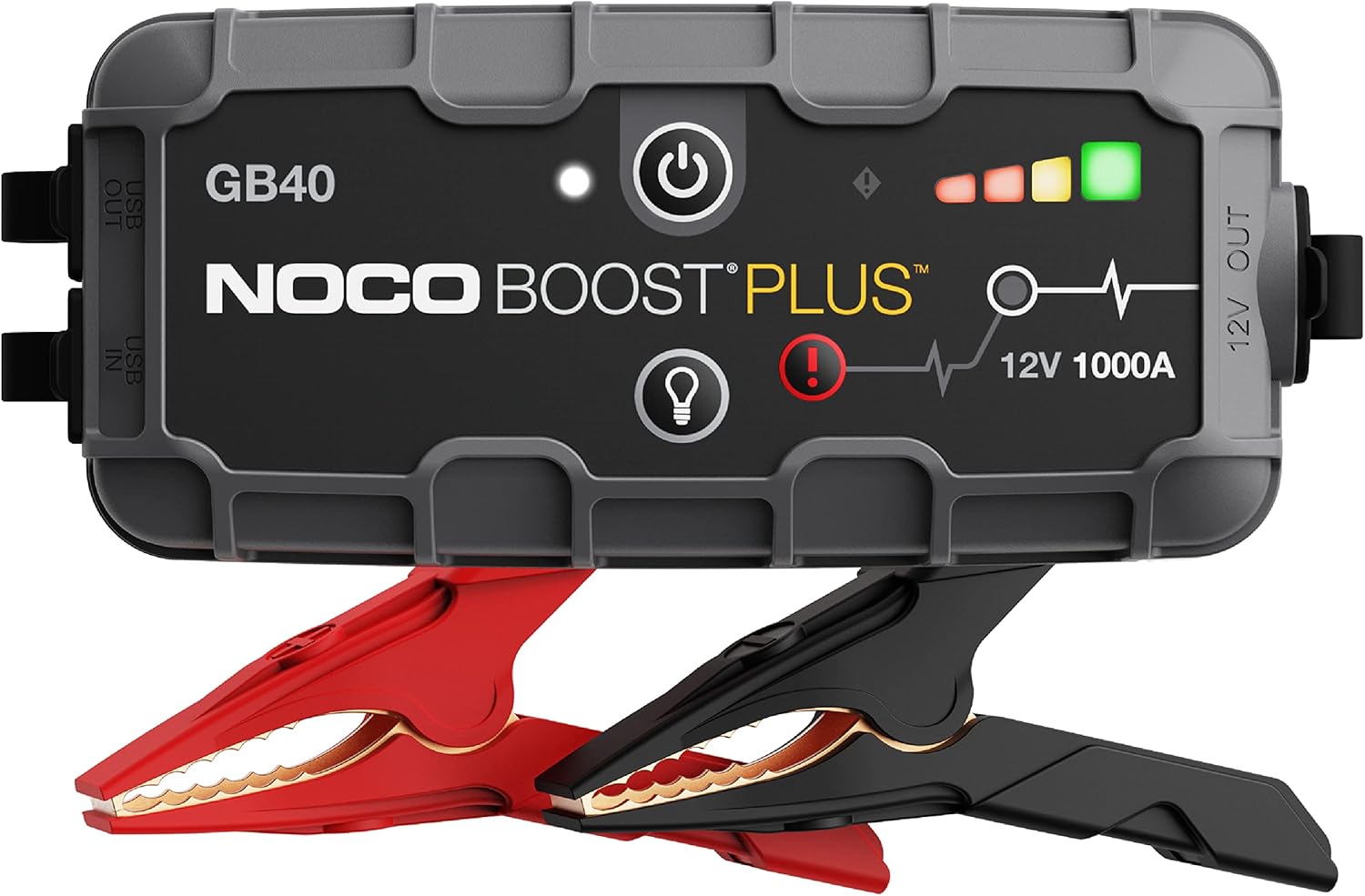
Use the correct jump-start procedure for your vehicle. Reversed polarity or poor connections can damage sensitive electronics. A healthy battery and charging system also help the cluster stay stable.
Protect the cabin from excess heat and moisture
Park in shade when possible, fix leaks quickly, and avoid leaving the car in conditions that bake the dashboard. Heat is one of the biggest enemies of electronic displays.
Address weak batteries and charging-system problems early
If the battery is aging or the alternator is not charging correctly, the cluster may be one of the first places you notice odd behavior. Fixing low-voltage problems early can save you from bigger electrical damage.
Use professional diagnostics when symptoms first appear
The sooner you scan the vehicle for codes and check power and network data, the better your odds of a simpler repair. A trained technician can tell the difference between a bad cluster and a bad signal feeding it.
- Check battery health before blaming the cluster.
- Look for water intrusion near the dashboard and windshield seals.
- Save any warning-light photos before the problem disappears.
- Ask for module-level diagnostics, not just a quick visual inspection.
The cluster is blank, the car is showing multiple electrical symptoms, or the issue returns after a reboot. Those are signs the problem may be deeper than the screen itself.
Cost of Digital Gauge Cluster Repairs and Replacements
Typical diagnostic costs
Diagnosis usually starts with a scan tool, battery and charging checks, and a look at network communication codes. If the car needs deeper electrical testing, the price can rise.
Repair vs. replacement pricing
Some clusters can be repaired at the board or screen level. Others must be replaced and programmed. Repair is often cheaper, but not every shop or model supports it.
Why OEM clusters can be expensive
OEM clusters may be costly because they are model-specific, programmed to the vehicle, and sometimes tied to security or mileage data. That makes them harder to swap than a simple analog unit.
Warranty, extended coverage, and insurance considerations
Before paying out of pocket, check the factory warranty, any extended service contract, and technical service bulletins. If the failure was caused by water intrusion, impact, or another covered event, insurance may also play a role depending on your policy.
Pros and Cons of Digital Gauge Clusters for Long-Term Reliability
Pros: clear displays, customization, integration, modern features
- Easy-to-read information
- Custom layouts and themes
- Works well with driver-assist systems
- Can show more vehicle data
- More software dependence
- Higher repair cost
- One failure can affect the whole display
- May need programming after replacement
Cons: software dependence, higher repair costs, failure severity
The biggest downside is not that digital clusters fail constantly. It is that when they do fail, the problem can be more disruptive. A dead screen can remove multiple functions at once, and that can make troubleshooting harder.
Best use cases for different types of drivers
If you want a modern look, extra data, and better integration with the rest of the car, a digital cluster makes sense. If you value simple long-term repairability above all else, analog gauges still have a strong case.
- Keep the battery and charging system healthy
- Watch for early flicker or reboot symptoms
- Use a qualified shop for electrical diagnosis
- Ignore intermittent dashboard glitches
- Assume the cluster is bad without testing
- Use risky jump-start methods on modern vehicles
Digital gauge clusters are generally reliable for everyday driving, but they are more complex than analog gauges and can be more expensive to fix. If you keep the electrical system healthy and address symptoms early, a digital cluster can serve you well for many years.
FAQs About Whether Digital Gauge Clusters Are Reliable
They can last a long time, but analog clusters usually have fewer electronic parts to age. Digital clusters often hold up well, yet their lifespan depends more on heat, voltage stability, and software quality.
Many can be repaired, especially if the issue is with the screen, backlight, or internal board. If the cluster is tied tightly to vehicle security or coding, replacement may be the better option.
Modern clusters are designed for temperature swings, but extreme heat and repeated freeze-thaw cycles can shorten component life. Heat is usually the bigger long-term concern.
Not always, but it can be. If you cannot see speed, warning lights, or critical vehicle data, it is smart to limit driving until the cause is diagnosed.
Usually yes. They often need specialized diagnostics, programming, or replacement parts that cost more than traditional gauge repairs.
No system likes low voltage, and digital clusters are especially sensitive to it. A weak battery can cause flicker, rebooting, or false warnings.
If you mean whether they are dependable overall, the answer is yes for most drivers. The key is proper maintenance and quick attention to electrical problems.
- Digital gauge clusters are reliable for most everyday driving.
- They depend on software, wiring, sensors, and stable voltage.
- Common problems include freezing, blackouts, dim screens, and glitches.
- Analog gauges are simpler and often easier to repair.
- Healthy batteries, good diagnostics, and timely repairs improve reliability.