Yes, Dakota Digital gauges are generally very good if you want modern accuracy, strong visibility, and a clean fit in a classic or restomod build. I’d especially recommend them for owners who value customization and OEM-style integration, but they do cost more and take more setup than basic analog gauges.
If you’re asking whether Dakota Digital gauges are worth the money, I’d say the answer depends on the build. For a restored classic, a street truck, or a modern drivetrain swap, they can be one of the best gauge upgrades available. For a simple driver that just needs basic readings, they may be more than you need.
In this article, I’ll break down how Dakota Digital gauges compare with stock and analog setups, where they shine, where they fall short, and what to check before buying. I’ll also cover real-world use so you can decide if they fit your project.
Are Dakota Digital Gauges Any Good for Street, Restomod, and Classic Builds?
- Great for builds that need modern function in a classic-looking package.
- Best when accuracy, visibility, and customization matter.
- Less ideal if you want the cheapest or simplest gauge solution.
What “good” means for gauge accuracy, reliability, and readability
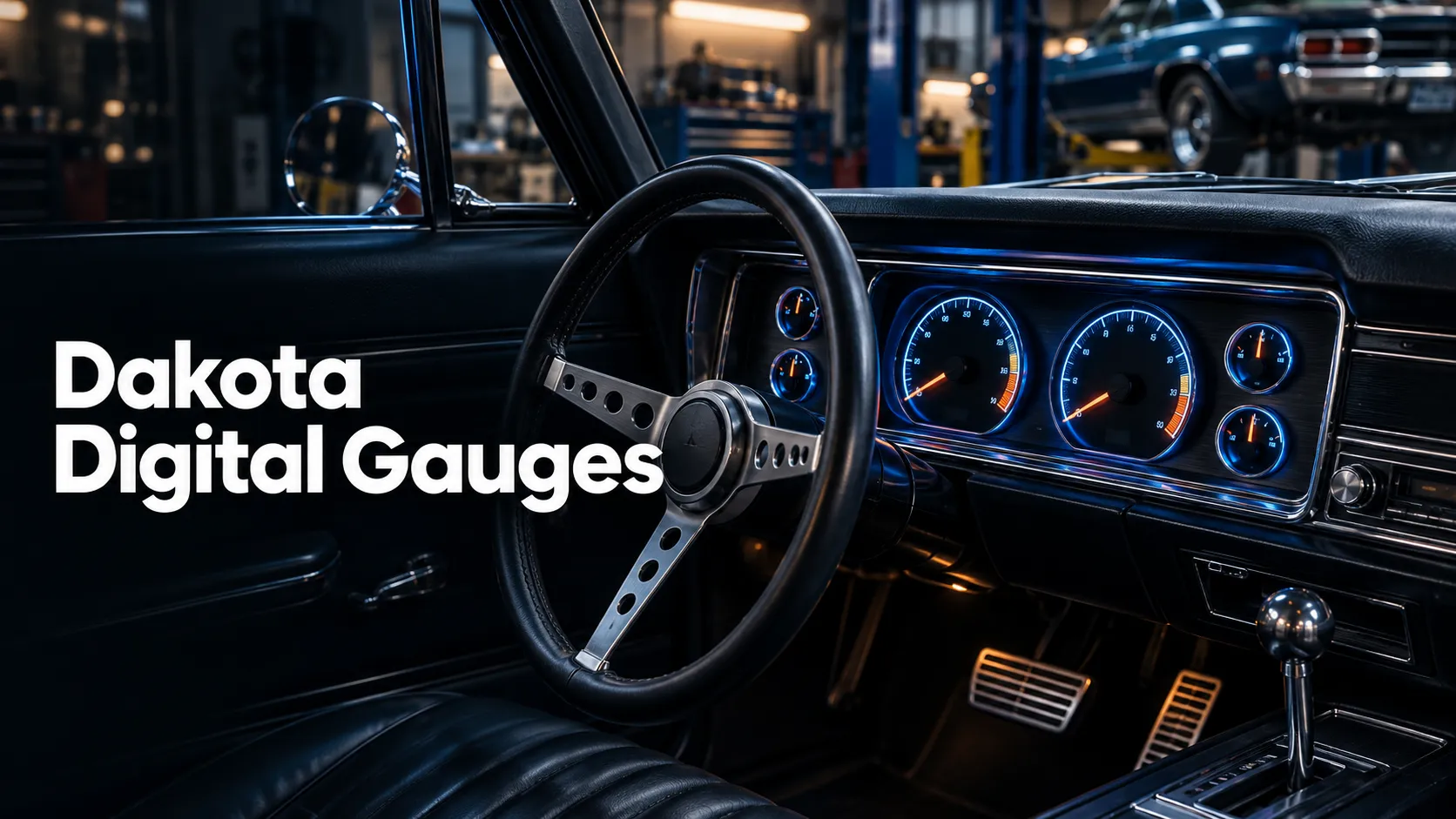
When I judge gauges, I look at three things first: do they read correctly, do they keep working, and can I read them fast without guessing? Dakota Digital scores well in those areas for most owners. The displays are easy to see, the systems are built for automotive use, and the layouts are designed to give you the numbers that matter at a glance.
Accuracy still depends on proper installation and calibration. A gauge set can only be as good as the sender, wiring, and setup behind it. That’s true for analog gauges too, but digital systems often give you more control over how the readings are configured.
Which types of builds benefit most from Dakota Digital gauges
I see the biggest value in classic trucks, muscle cars, and restomods. These are the builds where you want modern function without making the dash look out of place. Dakota Digital also makes sense for engine swaps, especially when you’re mixing older bodies with newer powertrains.
Many Dakota Digital systems are designed to mimic factory gauge layouts, which helps them look natural in older interiors instead of feeling like a universal add-on.
What Dakota Digital Gauges Actually Offer Compared With Stock and Analog Gauges
| Feature | Stock Analog Gauges | Aftermarket Analog Gauges | Dakota Digital Gauges |
|---|---|---|---|
| Readability | Good, but limited by lighting and age | Varies by brand and design | Excellent in most lighting conditions |
| Customization | Low | Moderate | High |
| Installation complexity | Factory-dependent | Moderate | Moderate to high |
| Modern features | Usually limited | Some options | GPS, alarms, programmable inputs, and more |
| Classic-car fitment | Original look | Often universal | Often very clean and model-specific |
Digital display features, warning lights, and customizable layouts
One of the biggest reasons people like Dakota Digital is the display flexibility. Depending on the system, you can show the data you care about most and hide the rest. That can include speed, RPM, fuel level, coolant temperature, oil pressure, voltage, and warning indicators.
That flexibility matters in older vehicles where the original cluster may not have enough warning lights or may be hard to service. Dakota Digital lets you build a cleaner, more functional dashboard without cobbling together multiple add-ons.
For product details, I recommend checking the manufacturer’s own information on Dakota Digital’s official website. If you’re working on a vehicle that needs emissions or sensor-related decisions, the U.S. Environmental Protection Agency is also a useful reference for broader vehicle compliance questions.
Factory-style integration versus aftermarket flexibility
Stock gauges usually look right in a factory restoration, but they don’t always give you the features modern drivers expect. Aftermarket analog gauges can solve some of that, but they often look like a bolt-on upgrade. Dakota Digital sits in the middle for many builds.
You get a modern system with a cleaner, more integrated appearance. In the right dash, it can look close to factory while still adding better visibility and more control. That’s a big reason these gauges are so popular in restomods.
Differences between entry-level and premium Dakota Digital systems
Not every Dakota Digital setup is the same. Entry-level systems usually focus on core gauge functions and basic digital displays. Higher-end systems may add more customization, more inputs, more advanced control modules, and broader integration with modern vehicle electronics.
If you’re comparing systems, don’t look at price alone. A cheaper kit may still need extra senders, adapters, or modules that change the final cost.
Why Dakota Digital Gauges Get So Much Praise from Owners
- Easy to read in bright sun and at night
- Customizable layouts and warning points
- Clean fit in classic interiors
- Works well with many swaps and modern drivetrains
- Higher price than simple gauge sets
- More setup and calibration work
- Can require extra parts for older vehicles
- Not always the best value for basic drivers
Strong visual clarity and night visibility
This is one of the biggest strengths. Digital clusters are easy to scan, and many owners appreciate how well they light up at night. In older vehicles with dim factory gauges, the difference can be dramatic.
Accurate readings and programmable sensor inputs
Accuracy is a major reason people move to Dakota Digital. The system can be calibrated for different senders and vehicle setups, which helps when you’re not working with a factory engine or factory transmission. That flexibility is especially useful in swap builds.
Modern features like GPS speed, CAN integration, and customizable alarms
Depending on the system, you may get GPS-based speed sensing, CAN bus integration, and programmable warning thresholds. That means you can set alerts for things like high temperature or low voltage before a small issue turns into a bigger one.
Clean fitment for classic cars and trucks
Many owners choose Dakota Digital because the gauges don’t look out of place in a restored dash. Instead of a universal pod hanging under the dash, you can often get a setup that looks intentional and finished.
If you want the best visual result, match the gauge style to the vehicle’s era. A subtle factory-look cluster usually works better in a classic than an aggressively modern display.
Where Dakota Digital Gauges Can Fall Short
Cost compared with simpler gauge options
The first downside is price. Dakota Digital is not the cheapest route, and that matters if your build is on a tight budget. You’re paying for engineering, display quality, and integration, not just for basic needles or numbers.
Installation complexity and wiring demands
These systems are not always plug-and-play, especially in older vehicles. You may need to deal with sender compatibility, wiring routing, ignition power, lighting circuits, and speed signal setup. If your car has been heavily modified, the job can take longer than expected.
Learning curve for setup and calibration
Once installed, the gauges still need to be configured. That can include calibration for speed, fuel level, and other inputs. If you’re new to aftermarket electronics, the learning curve can feel steep at first.
Potential issues with compatibility in older vehicles
Older vehicles often bring surprises. Previous wiring repairs, non-stock senders, mixed-up grounds, and engine swaps can create problems that have nothing to do with the gauge brand itself. But the gauges still have to work around those issues.
Do not assume every sender, harness, or module will work out of the box with your vehicle. Check compatibility before you buy, especially on older cars and custom builds.
How Dakota Digital Gauges Perform in Real-World Use
| Category | Real-World Performance | What to Watch For |
|---|---|---|
| Speedometer accuracy | Very good when calibrated correctly | Needs proper setup and signal source |
| Tachometer accuracy | Strong in most installations | Must match engine and ignition type |
| Fuel level | Good, but sender compatibility matters | Tank sender resistance can cause issues |
| Temperature | Reliable with the right sender | Coolant sensor placement matters |
| Visibility | Excellent day and night | Brightness settings may need tuning |
| Long-term use | Generally positive in well-installed systems | Electrical quality affects results |
Accuracy for speedometer, tachometer, fuel level, and temperature
In real use, the speedometer and tachometer are usually the strongest performers when the system is set up correctly. Fuel and temperature readings are also solid, but they depend more heavily on the sender and the vehicle’s existing hardware. That’s normal for any digital gauge system.
Visibility in daylight and at night
Daytime visibility is usually excellent because the displays are designed to stand out clearly. At night, the advantage is even bigger. I’ve found that owners who drive after dark tend to appreciate Dakota Digital more than people who only cruise on sunny weekends.
Durability in daily drivers versus weekend cruisers
These gauges can work well in daily drivers if the electrical system is healthy and the installation is clean. For weekend cruisers, they’re often a perfect fit because they combine style with function. The biggest durability problems I see usually come from poor wiring, bad grounds, or rushed installs.
Long-term owner satisfaction and support experience
Long-term satisfaction is usually strong when owners choose the right kit for the vehicle. Support matters too, and that’s where a well-documented system helps. If you’re building a custom car, having clear instructions and parts support can save a lot of time.
Your vehicle has electrical gremlins, a heavily modified harness, or mixed aftermarket components. A clean gauge install depends on stable power, solid grounds, and correct sender matching.
What to Check Before Buying Dakota Digital Gauges
- Confirm your exact vehicle year, make, and model fitment.
- Check whether the kit matches your engine and transmission.
- Verify sender compatibility for fuel, oil, and temperature readings.
- Decide if you need GPS speed, CAN integration, or alarm functions.
- Budget for extra modules, adapters, or calibration tools.
- Plan for professional help if your wiring is old or modified.
Vehicle compatibility and model-specific kits
Start with fitment. Some Dakota Digital kits are built for specific vehicles, while others are more universal. Model-specific kits usually make installation easier and improve the finished look.
Engine type, transmission, and sensor requirements
Your engine and transmission setup can affect the entire install. Carbureted engines, EFI swaps, and late-model drivetrain conversions may each need different inputs or signal sources. Make sure the gauge package supports your setup before you order.
Desired features such as data logging, warning points, and app integration
Think about what you actually want the gauges to do. If you only need basic readings, a simpler kit may be enough. If you want adjustable warning points, more detailed data, or integration with modern electronics, Dakota Digital becomes more appealing.
Budget for gauges, senders, modules, and installation
The sticker price is only part of the total. You may also need senders, adapters, calibration accessories, and labor. That’s why I always tell readers to budget for the whole project, not just the gauge head unit.
How Much Dakota Digital Gauges Typically Cost to Buy and Install
Entry-level versus full-dash system pricing
Entry-level systems are usually the most affordable way to get into Dakota Digital. Full-dash systems, especially those with more advanced integration, can cost much more. The right choice depends on how complete you want the upgrade to be.
Extra costs for sensors, adapters, and calibration accessories
This is where many projects go over budget. Fuel senders, speed sensors, adapters for older engines, and calibration tools can all add up. I always recommend checking the full parts list before buying.
Professional installation versus DIY cost differences
If you’re comfortable with automotive wiring, a DIY install can save money. But if the car has old wiring, a custom harness, or a swap with multiple aftermarket parts, professional installation may be worth it. A clean install can prevent headaches later.
When the price is worth it and when it may not be
The price is worth it when the gauges are a major part of the build and you care about the finished look and function. It may not be worth it if the vehicle is just a budget driver and you only need basic information.
Best Use Cases Where Dakota Digital Gauges Are Worth It
Classic truck and muscle car restorations
These are some of the best candidates. You can keep a period-correct look while getting modern readability and better reliability than many aging factory clusters offer.
Restomods with modern drivetrain swaps
If you’ve swapped in a newer engine, transmission, or fuel system, Dakota Digital can help tie everything together. The system’s flexibility makes it easier to display the data that matters in a mixed-technology build.
Drivers who want OEM-like fit with modern functionality
Some owners want a clean dash that looks like it belongs there. Dakota Digital is a strong fit for that goal because it can look refined instead of flashy.
Situations where a simpler gauge setup may be better
If you’re building a low-cost cruiser, a basic analog gauge set may be the smarter move. You’ll spend less, install less, and still get the information you need for casual driving.
- Match the gauge kit to the vehicle’s exact use case before buying.
- Check sender resistance ranges so fuel and temperature readings are accurate.
- Plan your wiring layout before the dash goes back together.
- Test calibration early, not after the interior is fully assembled.
- Use a stable electrical system and clean grounds to avoid false readings.
Common Questions About Whether Dakota Digital Gauges Are Any Good
Yes, they are generally accurate when installed and calibrated correctly. Speed, tach, and many sensor-based readings are very dependable, but sender matching and wiring quality still matter.
They can be reliable for daily driving if the electrical system is solid and the install is done right. I’d be more cautious in older vehicles with weak grounds or rough wiring repairs.
They can be more involved on older cars because of wiring, sender, and calibration requirements. The job is very manageable for an experienced DIYer, but it is not always a quick swap.
Yes, they are often a strong choice for engine swaps. That said, you need to confirm the right sensors, signal sources, and modules for your specific drivetrain combination.
They are worth the money if you want a clean, modern, and highly readable gauge setup in a classic or restomod. If you only need basic gauges and want the lowest cost, a simpler option may be better.
Dakota Digital gauges are a strong choice for classic, restomod, and swap builds because they blend modern function with a clean finish. I think they’re very good products, but they make the most sense when you’ll use the features and are ready for the added cost and setup.
- Dakota Digital gauges are a good fit for classic and restomod builds.
- They offer strong visibility, good accuracy, and useful modern features.
- They cost more than basic gauge options and need more setup.
- Compatibility and calibration matter a lot, especially on older vehicles.
- They’re best when you want OEM-like fit with modern performance.