

As an Amazon Associate, Best Auto Products earns from qualifying purchases. Amazon links open product searches; confirm the exact model, selected package, seller and price.
FLEX PXE 80 vs RUPES iBrid Nano 2: quick answer. Start with the FLEX complete set if you want its listed 3-inch plate and three drive adapters in one powered package. Shortlist the Nano 2 if its precision-tool configuration and the specific STB or LUX contents match your work. Compare complete kits before choosing: the cheapest listing may omit the functions you need.
Compare FLEX kitsCompare Nano 2 kitsThese are premium compact polishers for buyers who already know where their larger machine becomes awkward. The useful comparison is not simply which brand has the stronger reputation. It is which exact package reaches your intended work areas, includes the right accessories and leaves enough budget for the supplies you will use.
Our recommendation is conditional because we have not tested the two machines side by side. We can compare documented configurations and explain their purchasing consequences. We cannot honestly name a measured winner for correction speed, vibration, battery endurance or finish quality. The buying framework below separates those unknowns from the details you can verify before checkout.
Method: Research-based comparison by the Best Auto Products editorial team, checked November 29, 2026 using FLEX and RUPES manufacturer pages. No hands-on testing or invented performance scores. Product photographs are manufacturer images. Package descriptions can vary by region and seller.
FLEX PXE 80 vs RUPES iBrid Nano 2 at a glance
| Buying detail | FLEX PXE 80 | RUPES iBrid Nano 2 |
|---|---|---|
| Exact model to identify | PXE 80; U.S. set 493503 | HR81MLII; check /US/STB or /US/LUX |
| Movement options | Rotary, 3 mm and 12 mm orbital adapters in listed U.S. set | STB lists 12 mm; LUX includes additional drive units |
| Plate reference | U.S. set lists 30 mm and 75 mm plates | U.S. STB lists 50 mm; LUX adds a smaller plate |
| Battery comparison | Listed U.S. complete set: two 12V 2.5Ah packs | U.S. STB page: one pack; LUX: two |
| Main checkout risk | Mistaking bare tool 493481 for complete set | Assuming every Nano 2 package includes LUX accessories |
Sources: FLEX U.S. set, RUPES U.S. STB, RUPES U.S. LUX. These are package facts, not a performance ranking.
The table makes one decision especially clear: compare like-for-like equipment. A fully powered set with several adapters should not be judged against a body-only price or a more limited starter package without accounting for missing parts. Put your intended configuration beside each price before deciding which looks better value.
The kit difference that can change your purchase
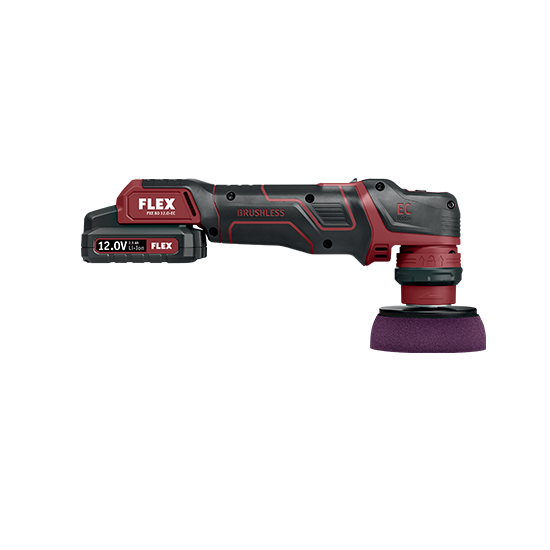
FLEX publishes both a complete set and a tool-only configuration. The complete set is the sensible starting reference for someone entering the platform. If you already own equipment you believe is compatible, verify exact part numbers before treating the tool-only route as a saving. Similar voltage labels do not establish compatibility.
RUPES requires an extra regional check. Its U.S. STB page currently lists one battery, while the international STB page lists two. We cannot resolve which inventory a retailer will ship from those pages alone. Ask the seller to confirm battery quantity against the actual SKU and obtain that answer in writing.
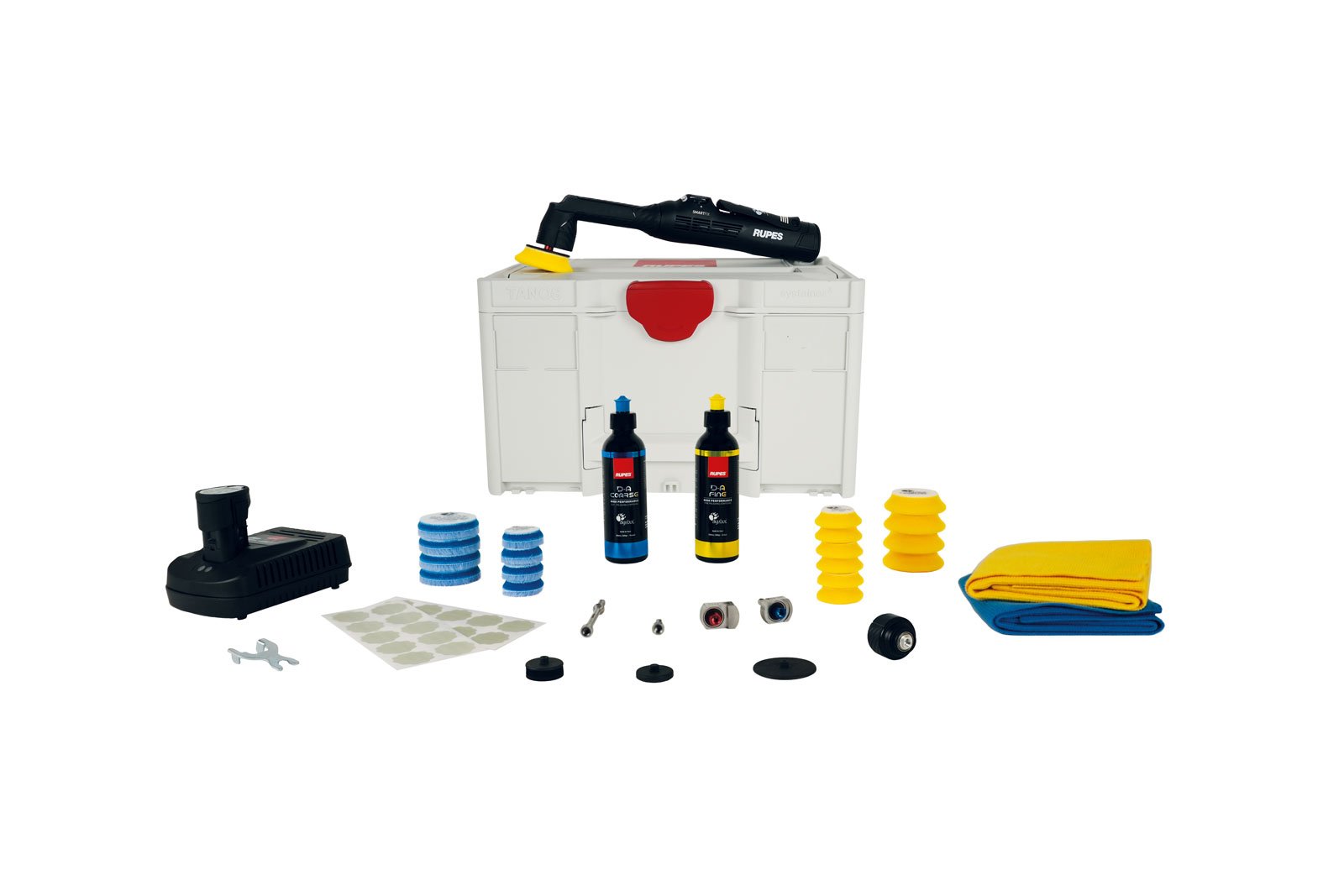
The Nano 2 LUX package is a different basket, with more functional units, an extension shaft, consumables and a case. Those additions matter only when you need them. A buyer wanting a straightforward small-pad orbital setup should not automatically pay for every possible configuration; a buyer needing those extras should include their cost when comparing a starter package.
For individual buying detail, see our FLEX PXE 80 review and RUPES iBrid Nano 2 review. This comparison focuses on choosing between the platforms rather than repeating every specification from those guides.
Choose by the painted area you need to reach
Before comparing accessories, make a short access map of the vehicle. Separate broad panels, narrow painted sections and recessed details. Write down which areas your current machine cannot approach comfortably. This prevents buying a precision tool for a problem that is really about technique, lighting or an unsuitable pad selection.
The FLEX package’s 75 mm backing plate is a concrete reason to investigate it when you want that size within a compact system. The Nano 2 packages deserve attention when their smaller-tool layout and available configuration address your access problem. Neither observation proves that one machine fits every mirror, pillar or bumper shape.
Remember that the backing plate is only part of the space requirement. The attached pad, the orbital movement and the surrounding tool body all need clearance. A plate that appears narrow enough in a photograph does not establish that the complete working setup can safely reach a recessed painted section.
If you can attend a demonstration, bring photographs of the awkward locations and ask to see a suitable approved configuration. Assess how the complete machine sits in your hands, rather than how light the bare body looks in a specification table. Battery, drive unit and accessories affect the working setup.
Similar movement labels do not make accessories interchangeable
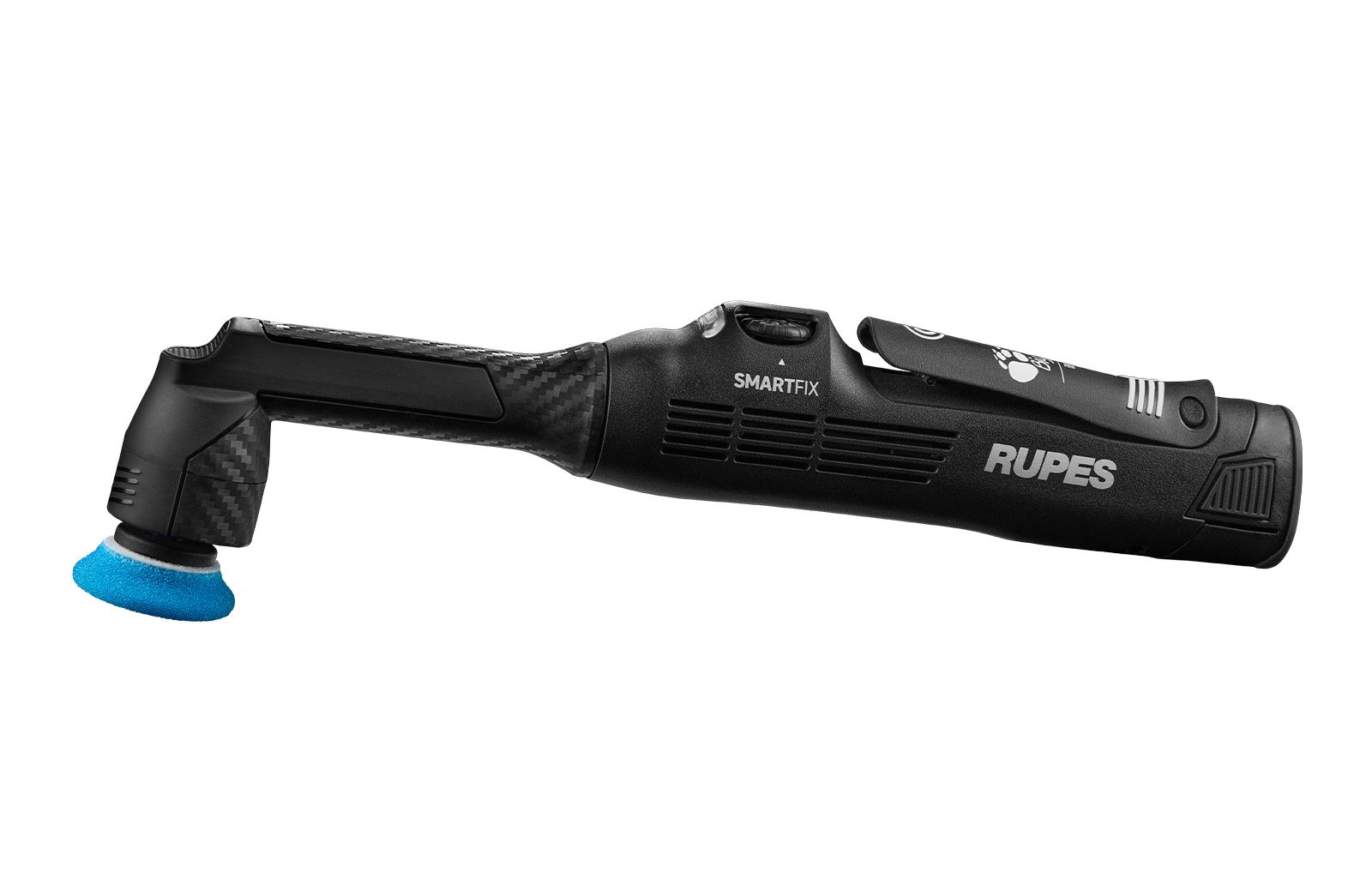
Both shopping lists can contain rotary and orbital terminology. Those labels describe movement, not universal accessory compatibility. Keep each manufacturer’s drive units, plates and instructions together. Do not assume a plate from one brand is appropriate for another because its diameter sounds similar.
For each intended job, list the tool, drive unit, backing plate and accessory as a complete combination. Ask the manufacturer or an authorized seller to confirm any uncertain part number. That is a more reliable purchasing method than assembling a system from photographs or borrowing advice intended for an older generation.
Be especially precise about the Nano model name. This article compares the Nano 2, identified as HR81MLII. A listing for the earlier Nano is a different purchasing decision. If a retailer uses an abbreviated title, verify the model on the actual item and the written order confirmation.
Also separate equipment choice from skill. Having several movements available does not mean you need to use all of them. Choose a process you understand and follow the current instructions. For an unfamiliar finish or questionable panel, getting suitable guidance can be a better investment than adding a more aggressive configuration.
Compare the total setup cost, not the first displayed price
Build two shopping baskets for the same intended task. Include the machine, compatible power equipment, required drive units, appropriate plates, useful pads and delivery charges. Remove accessories you already own only after confirming compatibility and condition. This produces a comparison you can act on.
| Cost category | Question to answer |
|---|---|
| Power equipment | How many confirmed compatible batteries and which charger are included? |
| Required functions | Does the selected package contain the drive unit you intend to use? |
| Consumables | How many suitable pads and liquids will you actually need? |
| Storage and support | Are useful storage, local service and return terms included? |
| Delivered total | What remains after tax, shipping and missing essentials? |
For an illustrative budget calculation, suppose one package costs $450 and needs $90 of essentials, while another costs $520 and needs $25. Their usable totals are $540 and $545 before tax or shipping. Those are invented arithmetic examples, not current prices or offers for these products. They show why headline savings can disappear.
Compare a LUX basket with a simpler basket by removing items you would not buy independently. Included compounds may be useful if they match your process, but they should not automatically receive their full individual retail value in your personal comparison. The value of an unused accessory to you is effectively zero.
Leave room for inspection and pad care. Our inspection light guide and pad cleaning guide address purchases and routines that surround the machine. A premium tool is easier to justify when the rest of the setup supports it.
Battery planning without an unsupported runtime winner
We are deliberately not naming a runtime winner. Different battery capacities, drive configurations and work conditions can make headline figures unsuitable for direct comparison. Manufacturer estimates are useful references, but they are not our measurements and should not become a claim that one tool completes more vehicles per charge.
Instead, estimate your compact-tool trigger time separately from total session length. If the mini polisher is used briefly between main-panel work and inspection, charging breaks may fit naturally. If you plan continuous use, battery quantity and charging arrangements become more important. The same kit can suit one schedule and frustrate another.
The STB battery-count discrepancy therefore has a practical consequence. If your budget assumes a spare is included, verify that before comparing totals. Ask the seller about the exact current battery and charger models as well; a vague promise of a complete kit leaves too much room for misunderstanding.
Which compact polisher should you buy?
Shortlist FLEX when its complete set matches your jobs
FLEX is our first basket to price when you specifically want the listed 75 mm plate and multiple drive adapters in the powered U.S. set. That recommendation follows package fit, not a claim that FLEX corrects paint faster. Check whether its approved configurations solve the areas on your access map.
Shortlist Nano 2 when its exact configuration earns the extra spend
Nano 2 belongs on the shortlist when you want the HR81MLII platform and can explain which STB or LUX contents you will use. Price the needed accessories separately before selecting a package. The broader LUX inventory is easier to justify when those items would otherwise appear on your shopping list.
Keep your current setup when the benefit is unclear
If you cannot identify a recurring limitation, delay the purchase. Our mini polisher buying guide includes other routes, while the beginner polisher guide is more useful if you still need a main machine. Buying either premium compact platform first may leave the broader job unsupported.
Before you order: six checks
- Confirm PXE 80 or HR81MLII on the actual selected variation.
- Request the complete written packing list and battery count.
- Verify the approved configuration for your intended work.
- Compare delivered totals including missing essentials.
- Check seller identity, local service and return conditions.
- Save the listing and order confirmation for reference.
The buttons here open Amazon searches, not verified in-stock offers. Search results can mix machines, replacement accessories and older models. A low displayed price may belong to a single component. Read the final cart carefully and use a qualified seller when you need help resolving compatibility.
Frequently asked questions
Is the FLEX PXE 80 better than the RUPES Nano 2?
There is no measured overall winner in this research-based comparison. FLEX is a useful starting basket for its listed 75 mm plate and complete drive-adapter set. Nano 2 merits comparison when its specific configuration fits your precision work.
Does every Nano 2 STB kit contain two batteries?
Do not assume so. The U.S. manufacturer page lists one, while the international page lists two. Confirm the actual seller’s SKU and packing list in writing.
Does the Nano 2 STB include all LUX functions?
The U.S. STB list is narrower than LUX. Check the exact functional units included rather than assuming every capability of the platform is included in every kit.
Can either replace my full-size polisher?
We recommend treating these as compact companions when your main goal is whole-car polishing. Choose by your workload rather than expecting one small tool to handle every area efficiently.
Have you tested these machines against each other?
No. Recommendations are based on manufacturer documentation and package analysis. We have not measured comparative runtime, vibration, correction speed or finish quality.
Final verdict: match the complete kit to the task
Start with the FLEX basket if its included configuration directly addresses your access map. Start with the Nano 2 basket if the HR81MLII setup and chosen package solve the more specific work you intend to perform. Then compare total cost, seller support and the accessories you will actually use.
The best purchase is the one you can explain without a brand slogan: these are the areas it reaches, these are the approved parts it needs, and this is the complete cost. Resolve the battery-count question and confirm the written contents before paying.
Compare FLEX kitsCompare Nano 2 kitsPrimary sources: FLEX U.S. set 493503; RUPES U.S. STB; RUPES U.S. LUX; RUPES international Nano 2 page. Checked November 29, 2026. Follow the current manufacturer instructions supplied with the exact equipment.

1 thought on “FLEX PXE 80 vs RUPES iBrid Nano 2: Which Should You Buy?”