
As an Amazon Associate, Best Auto Products earns from qualifying purchases. We may also earn a commission from Walmart links.
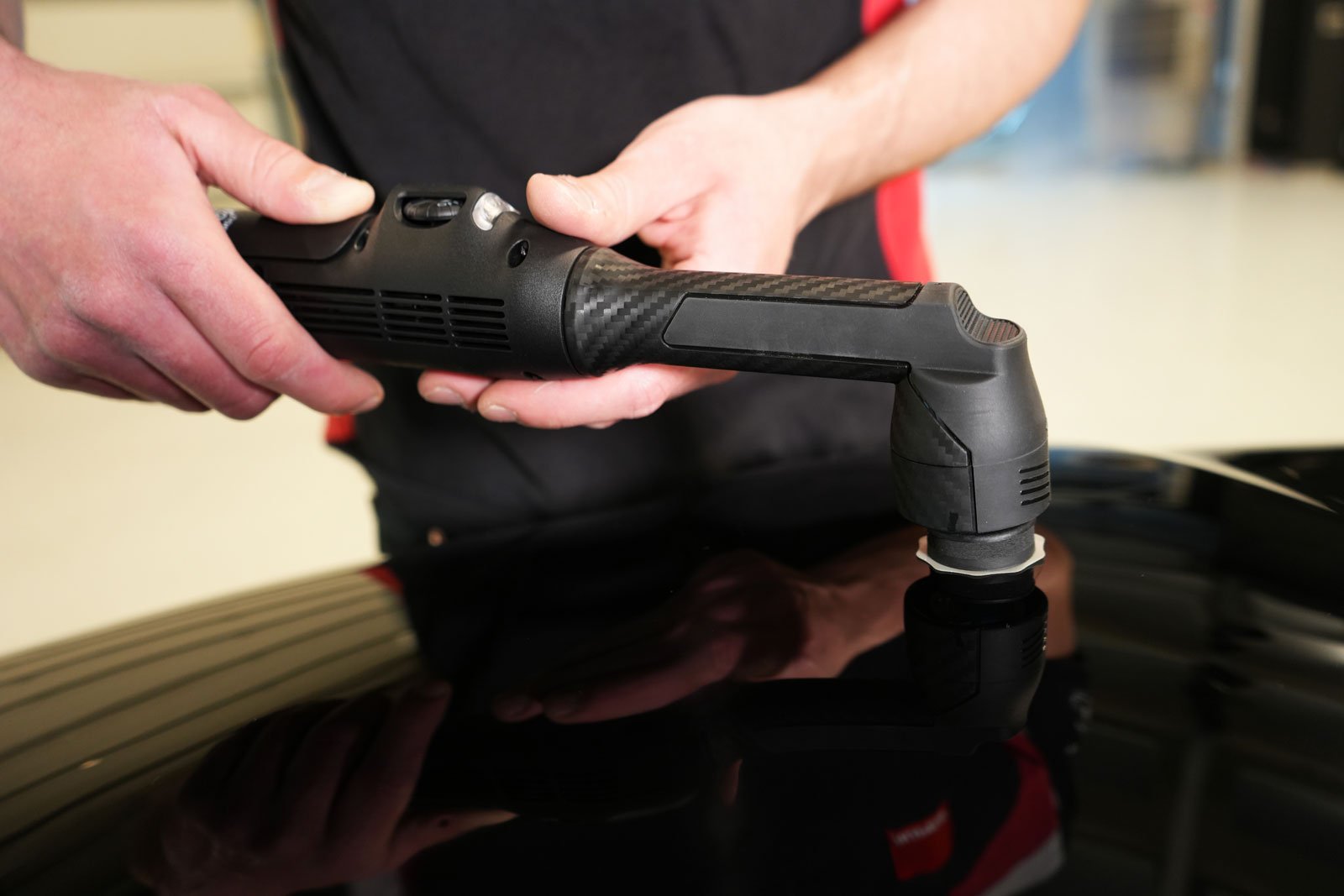
The RUPES iBrid Nano 2 is a specialist upgrade for a detailer who already owns a main polisher and regularly works on narrow painted sections. Choose the STB kit for a focused starting setup; consider LUX when you will actually use its additional movements and consumables. For occasional whole-car polishing, spend on a main machine and fresh pads first.
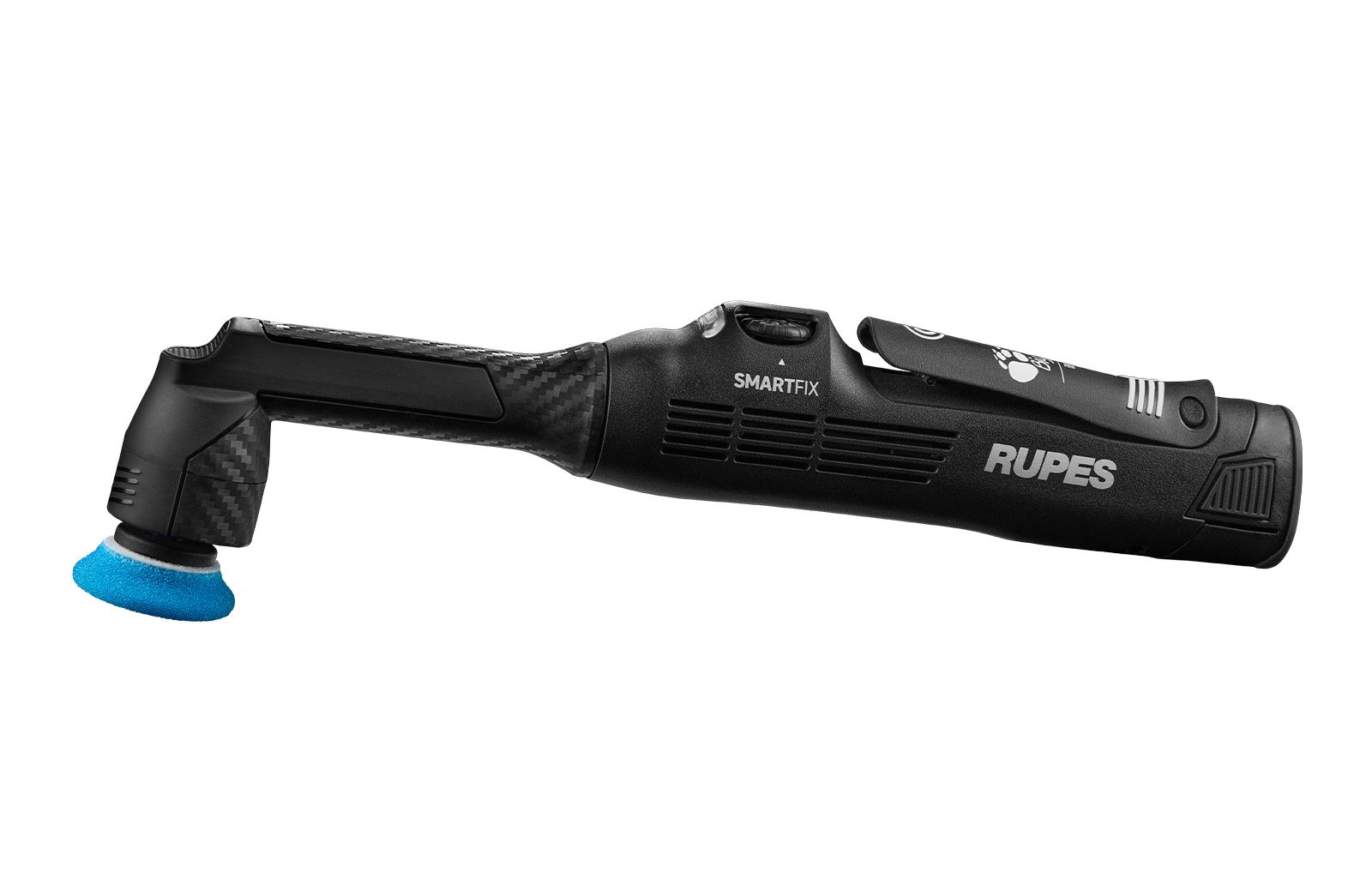
This RUPES iBrid Nano 2 review examines the HR81MLII, also written as Nano II. The central buying question is whether precision access solves enough of your real workload to justify another machine, another set of pads and another battery routine. A premium badge alone cannot answer that.
Review method: This is a research-based buying assessment using RUPES product documentation and the U.S. instruction manual. We have not performed hands-on testing, timed correction passes or measured loaded runtime. Recommendations below are editorial judgments about suitability, rather than measured performance claims.
Jump to: Who should buy it? · Nano 2 changes · STB vs LUX · Alternatives · Buying checklist · FAQ
Who should buy the RUPES iBrid Nano 2?
The strongest buyer is someone who can point to the exact areas that slowed down the last detailing job. Perhaps a main pad overlapped a badge, a curved bumper left very little flat contact, or a narrow painted section required repeated hand work. In that situation, a precision machine has a clear job description. It fills an access gap in an existing kit.
Before buying, walk around the vehicle you polish most often. Identify which surfaces actually need correction and which are textured plastic, rubber, film, unpainted trim or another material requiring a different approach. A small pad fitting into a space does not prove that the surface should be machine polished. The condition and finish of the part still determine the method.
For a working detailer, track the time spent on these small areas across several jobs. If precision work is a regular paid part of your service, the purchase may be easier to support. If it happens only once or twice a year, a simpler setup or careful hand finishing may satisfy your goals. The sensible upgrade is the one that addresses a recurring limitation.
First-time buyers should price an entire working setup before choosing a specialist. A main polisher, sufficient clean pads, inspection lighting, towels and appropriate polish form the foundation. Our Griot’s Garage G9 review is a starting point for that broader decision. Add the Nano after you know which smaller areas your main setup leaves behind.
What changes with the Nano 2?
RUPES identifies SMARTFIX as the quick-release system for changing functional units. It also documents a rotary reduction unit for operation up to 2,000 rpm with a 50 mm plate. These are the key features to examine when comparing the HR81MLII with the original HR81ML. See the official Nano 2 product page.
A faster changeover matters most if your normal workflow involves several different configurations. Think about whether you would change modes repeatedly during one job or leave the same setup installed for weeks. A feature can be well designed and still add little value to your particular routine. Base the upgrade case on your actual sequence of work.
Existing Nano owners should make an inventory before ordering. Write down the model and part number of each battery, charger, functional unit, backing plate and extension. Ask a RUPES dealer which items transfer to the new machine. Similar appearance and a familiar product family name are insufficient evidence that every component is interchangeable.
A discounted original Nano can still be a meaningful comparison. Evaluate the exact configuration, condition, parts support and included equipment against a new Nano 2 kit. The newer version becomes more compelling when its configuration changes directly improve the work you perform. A buyer who rarely changes attachments may reach a different conclusion from someone who changes them throughout every session.
Specifications: what the numbers do and do not tell you
| Item | Documented detail | Buying implication |
|---|---|---|
| Model | HR81MLII / Nano 2 / Nano II | Match the model code in the selected seller option. |
| Supply voltage | 10.8–12 V DC | Check the designated battery and charger combination. |
| Published speed range | 2,000–5,000 rpm | The reduction unit has a separate rotary specification. |
| Published runtime | About 30 minutes under RUPES’ stated reference setup | Plan around task conditions rather than guaranteed continuous use. |
| Charging reference | Product page: about 20 minutes; U.S. manual: 25 minutes ±5% | Follow the supplied charger instructions. |
| Weight reference | Product page: 500 g without functional unit, battery or supply | This is not the complete working weight. |
The charging figures differ between the product page and U.S. manual, so we have shown both instead of treating one as a universal promise. The references also use different weight configurations. When comparing tools, match the measurement conditions and include the equipment attached during use. A bare-body number is a poor substitute for the balance of a complete working machine.
STB vs LUX: which kit makes sense?
| Version | Position in the range | Our buying assessment |
|---|---|---|
| 9.HR81MLII | Body-only version | Best considered when you have confirmed all required compatible equipment. |
| HR81MLII/STB | Two batteries, charger, 12 mm unit and 50 mm backing plate | A focused starting point; budget separately for suitable polishing consumables. |
| HR81MLII/LUX | Broader accessory package including multiple movements, pads, liquids and case | Consider it when several included accessories already appear on your shopping list. |
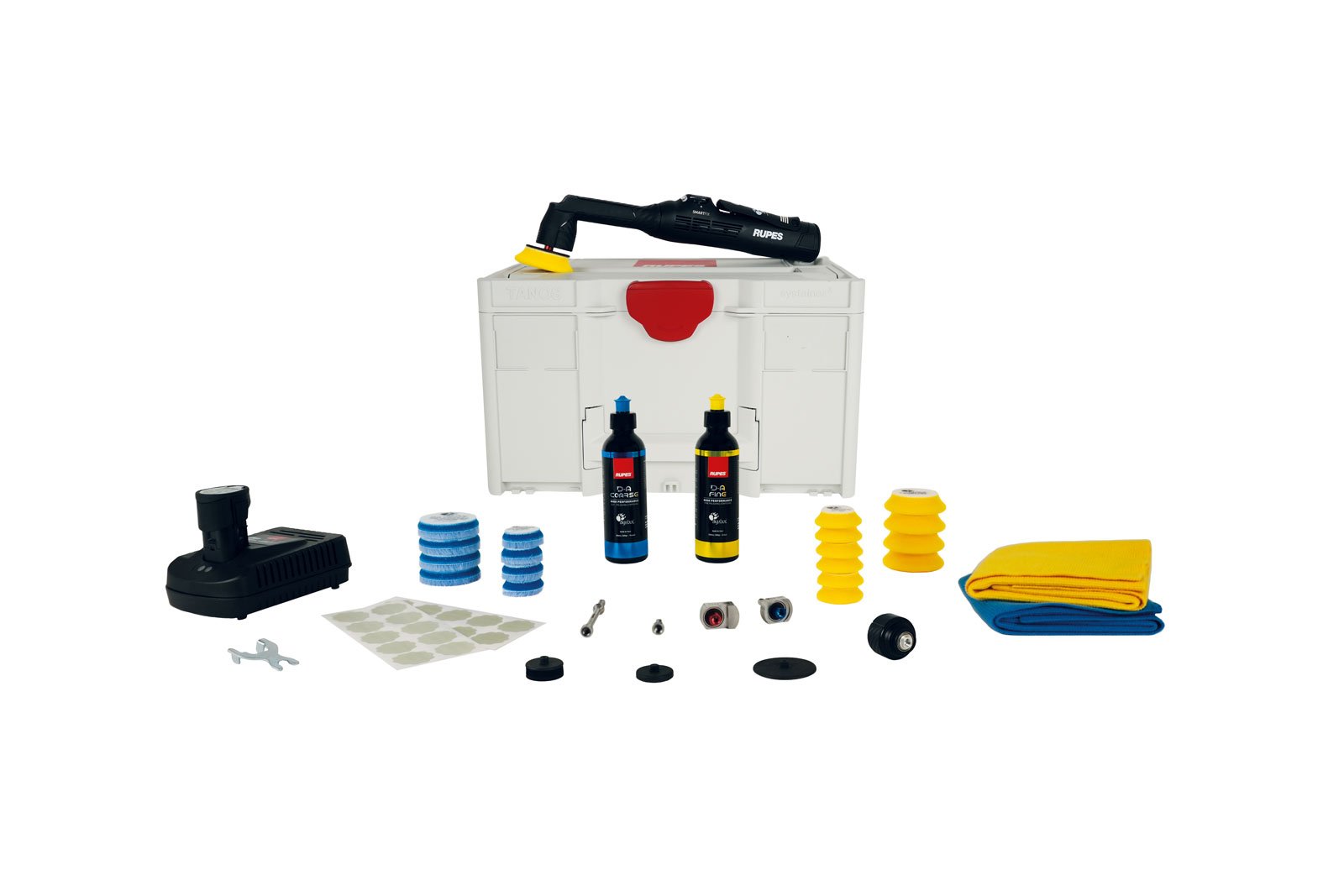
Avoid choosing a kit by accessory count alone. List what you need for the first three jobs, then mark which items each bundle actually covers. If a larger package contains products you would not otherwise buy, assign those items little or no value in your comparison. A well-used compact setup can be more economical than a case full of unfamiliar accessories.
Consumables deserve their own budget. Owning one suitable pad is different from having enough clean pads to keep a session consistent. Decide how you will rotate and clean them, where they will dry, and how you will keep used pads away from fresh ones. Our polishing pad cleaning guide explains the maintenance side of that purchase.
Body-only makes sense only after the compatibility check. If you discover later that you need batteries, a charger and several functional pieces, the apparent saving can disappear. Ask the seller for a written contents list and compare that list with your equipment inventory. Photograph the delivered contents before using anything so a missing component is easier to resolve.
Small pads, large consequences: choosing the right setup
Pad diameter, orbit and drive type describe different things. A backing plate measurement is not automatically the diameter of the foam or wool face. The plate must support the pad correctly, and the complete assembly must be approved for the intended configuration. Do not select accessories solely because a marketplace description uses the word “Nano.”
Think of precision work as a visibility and access problem first. Can you see the complete pad edge? Can the pad sit correctly on the intended surface? Is there clearance from nearby trim during movement? If the answer is uncertain, stop and reconsider the method. A smaller machine does not make a sharp edge or fragile finish forgiving.
Start your combination choice with the finish and desired result. For a daily driver, improving gloss while leaving a deeper isolated mark may be a better outcome than chasing every defect. Learn how different materials affect your choice in our foam vs microfiber vs wool polishing pads guide. Brand color alone is not a reliable cross-brand grading system.
For functional-unit and backing-pad combinations, use the RUPES U.S. HR81MLII manual. It specifies different approved arrangements, including separate hardware for a 75 mm plate. This does not mean that a standard kit contains every arrangement or that any plate can be paired with any unit.
Follow the manual’s shutdown and power-disconnection instructions. Inspect the mounting and pad condition, use approved accessories and wear the required protection. Tight corners can snag an accessory; a compact tool still requires controlled handling.
Nano 2 vs Griot’s G8 vs a full-size polisher
| Choice | Role to consider | Decision question |
|---|---|---|
| RUPES iBrid Nano 2 | Specialist precision work with configurable movements | Do you regularly need access beyond your existing pad setup? |
| Griot’s Garage G8 | Compact polisher alternative | Would a compact main arrangement cover most of the same work? |
| RUPES LHR15 Mark V or FLEX XFE 7-15 150 | Broad-panel polishing | Is your real bottleneck the middle of large panels? |
These choices solve different portions of a detailing job. Compare the area you need to reach before comparing brand names. If most of your time goes into large doors, roofs and hoods, a main machine has the clearer purpose. If your broad-panel work is already covered, a precision purchase can add a capability that another full-size tool would duplicate.
Read our Griot’s G8 review when deciding whether a compact alternative is sufficient. If you are still assembling the main part of the kit, compare the RUPES LHR15 Mark V and FLEX XFE 7-15 150. Treat these links as different tool roles rather than a claim that the machines have identical performance.
There is also an opportunity cost to owning multiple tools. Storage, consumables, charging, cleaning and service all take attention. Buying a second machine is most useful when it removes a clear obstacle. If the finish from your current setup is inconsistent, first investigate preparation, pad condition, lighting and technique. A more specialized tool may simply reproduce the same problem in a smaller area.
Amazon vs Walmart: compare the exact package
Both retailer buttons lead to searches for RUPES iBrid Nano 2 HR81MLII. They are search links, not confirmed in-stock product listings. Results may include the original Nano, replacement accessories or unrelated tools. Open the selected offer and verify the full model and kit suffix before treating a displayed price as relevant.
We have not verified a live like-for-like price or a lowest-price winner. Set your delivery ZIP code and compare the delivered total, including shipping and any applicable tax. Then check seller identity, dispatch location, return conditions and warranty eligibility. A cheaper offer for a bare body is not a fair comparison with a complete battery kit.
For a premium tool, an authorized specialist dealer is a useful additional benchmark. Ask about spare parts, repair arrangements and the exact regional package. If a marketplace seller cannot identify the supplied kit, resolve that uncertainty before ordering. Keep your invoice and a record of the model and serial identification for future service conversations.
A practical comparison sheet needs five entries: exact SKU, included components, delivered total, return terms and support contact. Save the offer details at purchase time because listing titles and selected variations can change. When two offers differ, price the missing items individually before deciding which package represents better value for your own work.
A sensible first-job plan
Begin with a clean, dry vehicle and lighting that lets you inspect the intended work area. Look for previous repairs, damaged clear coat, exposed edges and surfaces that need a separate care method. A measurement tool can provide additional context on suitable substrates, but a reading does not establish a universal safe amount to remove. Our paint thickness gauge guide explains that limitation.
Choose a modest goal for the first session. Work on an accessible test area with an appropriate mild combination, following the machine, pad and polish instructions. Inspect the result before expanding the process. Do not copy a speed setting from an unrelated machine or assume that a higher dial number is the quickest route to the finish you want.
Keep track of what changes between sections. A loaded pad, different surface shape or altered working angle can change the result even when the bottle and dial stay the same. Clean or replace pads according to their instructions and reassess when the finish changes. Stop if you encounter unusual vibration, damaged accessories or an assembly that does not seat correctly.
After the job, record the combination that worked and which areas still required another method. That small log helps establish whether the new tool is earning its place. It also makes the next kit purchase more specific: perhaps you need spare pads of one grade, rather than another large assorted bundle. Let actual use determine the next expense.
Frequently asked questions
Is the RUPES iBrid Nano 2 a good first polisher?
It is a specialist purchase. For most buyers planning whole-car work, a main polisher and the consumables for a complete job are the more useful starting point. Add precision equipment when you identify a recurring access problem.
Are Nano 2 and Nano II the same model?
RUPES uses these names for the HR81MLII. Verify that code on the actual offer because original Nano HR81ML listings can appear alongside newer products in a retailer search.
Should I buy STB or LUX?
Compare the accessories you will use. STB provides a narrower starting package; LUX covers more configurations. Check the current contents and price any missing essentials before judging value.
Can it replace my full-size polisher?
For a buyer with substantial broad-panel work, it is better treated as an additional precision tool. Decide where each machine will work before buying overlapping equipment.
Can I reuse all my original Nano accessories?
Do not assume universal compatibility. Check each part number against the Nano 2 documentation or ask RUPES or an authorized dealer to confirm it.
Which retailer has the lowest price?
No live lowest-price claim is made here. The retailer searches let you compare current offers after confirming model, kit contents, seller, shipping and support.
Final verdict: buy for a specific access problem
The RUPES iBrid Nano 2 belongs on the shortlist when precision areas are a regular part of your work and your main polishing setup is already complete. Choose the smallest package that covers your intended configurations, then budget for enough suitable consumables. Existing Nano owners should compare compatibility and workflow benefits before upgrading.
For occasional detailing, the better next purchase may be clean pads, improved inspection lighting or a more suitable main machine. For a detailer repeatedly losing time around narrow sections, the Nano 2 offers a clearly defined specialist role. Make that role concrete before paying for the premium kit.