
As an Amazon Associate, Best Auto Products earns from qualifying purchases. Amazon buttons open a model search; verify the exact tool, package, seller and current price.
Premium cordless detailing • Research-based buying guide
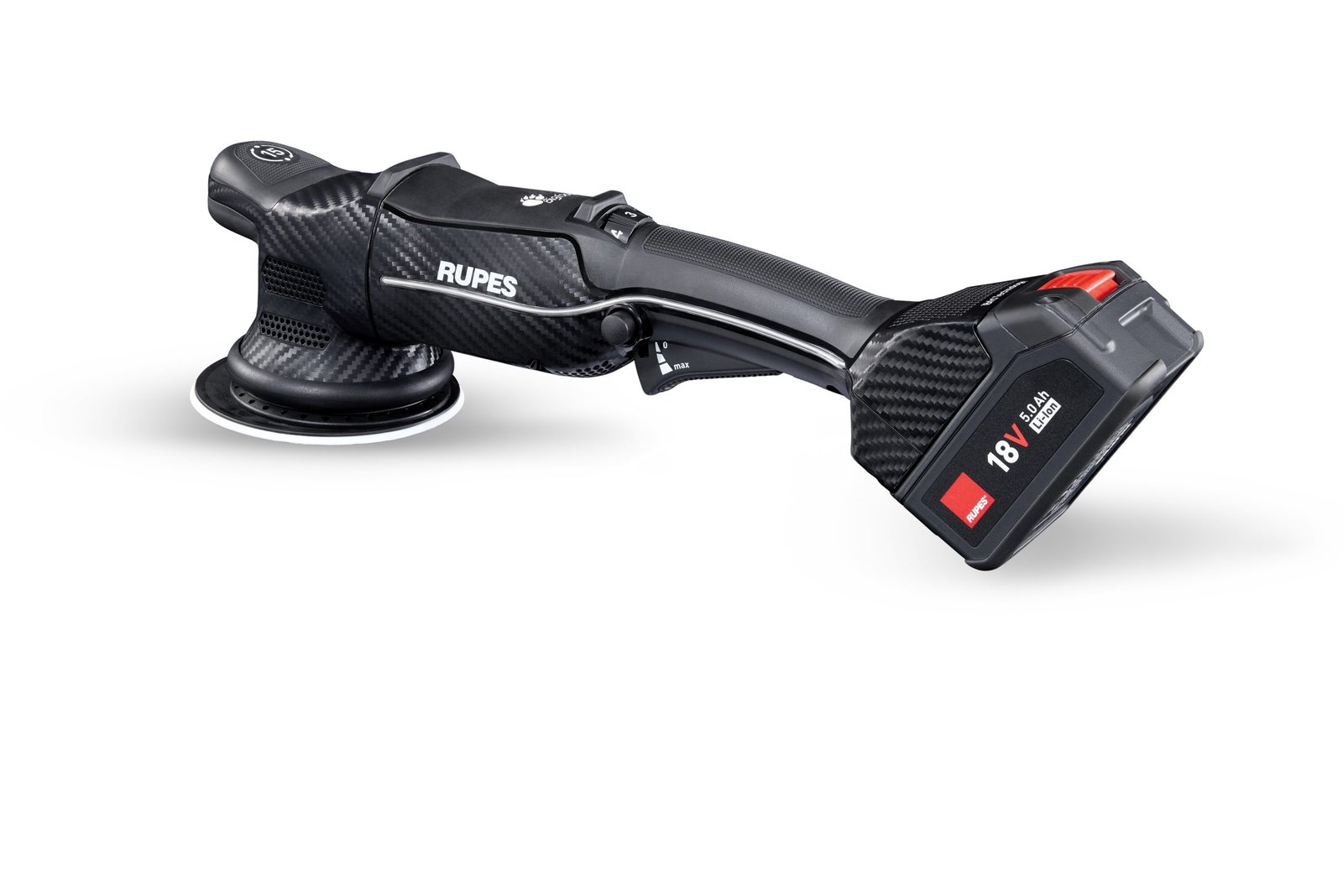
RUPES HLR15 iBrid review: shortlist this premium polisher when removing a power cord solves a recurring problem in your detailing workflow. Before paying the premium, compare the complete battery kit with a corded setup and plan for charging time.
Compare HLR15 listings on AmazonThe RUPES HLR15 iBrid is an appealing next step for detailers who already know why they want a cordless full-size polisher. The harder question is whether that freedom justifies buying into another tool and battery system. A machine can be excellent on paper and still be the wrong use of your detailing budget.
This guide focuses on the purchase decisions that matter: choosing the right kit, understanding battery limitations, comparing alternatives and building a usable accessory inventory. Our recommendation is conditional: buy for a specific workflow benefit, with a realistic allowance for supplies and downtime.
Editorial method: Manufacturer specifications and package descriptions checked November 26, 2026. This is a research-based review, not a hands-on test. We have not measured correction speed, actual runtime, vibration or finish quality. Product photographs are supplied on RUPES’ official website; recommendations and budget examples are our editorial analysis.
RUPES HLR15 iBrid review: who should buy it?
Good fit
You regularly move around vehicles or between work areas, have identified the cord as a practical nuisance, and can budget for the complete power system plus consumables. You want a main-panel tool rather than a solution for tiny painted areas.
Consider another setup
You polish one vehicle occasionally, already have convenient power, or would sacrifice pads and inspection lighting to afford the machine. A corded setup may leave more money for the supplies that make the whole process workable.
Make the benefit concrete before ordering. Think about your last three detailing sessions: did you repeatedly reposition an extension cord, move equipment between bays, or avoid a location because power was inconvenient? Those observations are more useful than a general desire to upgrade to a premium brand.
For a first machine, start with our best dual action polishers for beginners. Compare complete shopping baskets at the same budget. The HLR15 deserves consideration when cordless operation earns its cost in your actual work; buying an expensive tool alone does not establish a complete polishing system.
Verified specifications at a glance
| Specification | RUPES HLR15 |
|---|---|
| Movement | Random orbital |
| Backing pad | 125 mm / 5 inches |
| Orbit | 15 mm |
| Battery system | 18V; specified pack is 5Ah |
| Listed speed range | 3,000–5,000 RPM, using RUPES’ labeling |
| Published battery life | 30–40 minutes |
| Published charging time | 50–55 minutes |
| Tool weight without battery | 1.75 kg / 3.8 lb |
Source: RUPES HLR15 product page. Runtime and charging figures are manufacturer claims, not our measurements. Bare-tool weight excludes the battery. The orbit figure describes the movement; it is not the pad diameter.
Battery runtime: plan the work, not just the headline
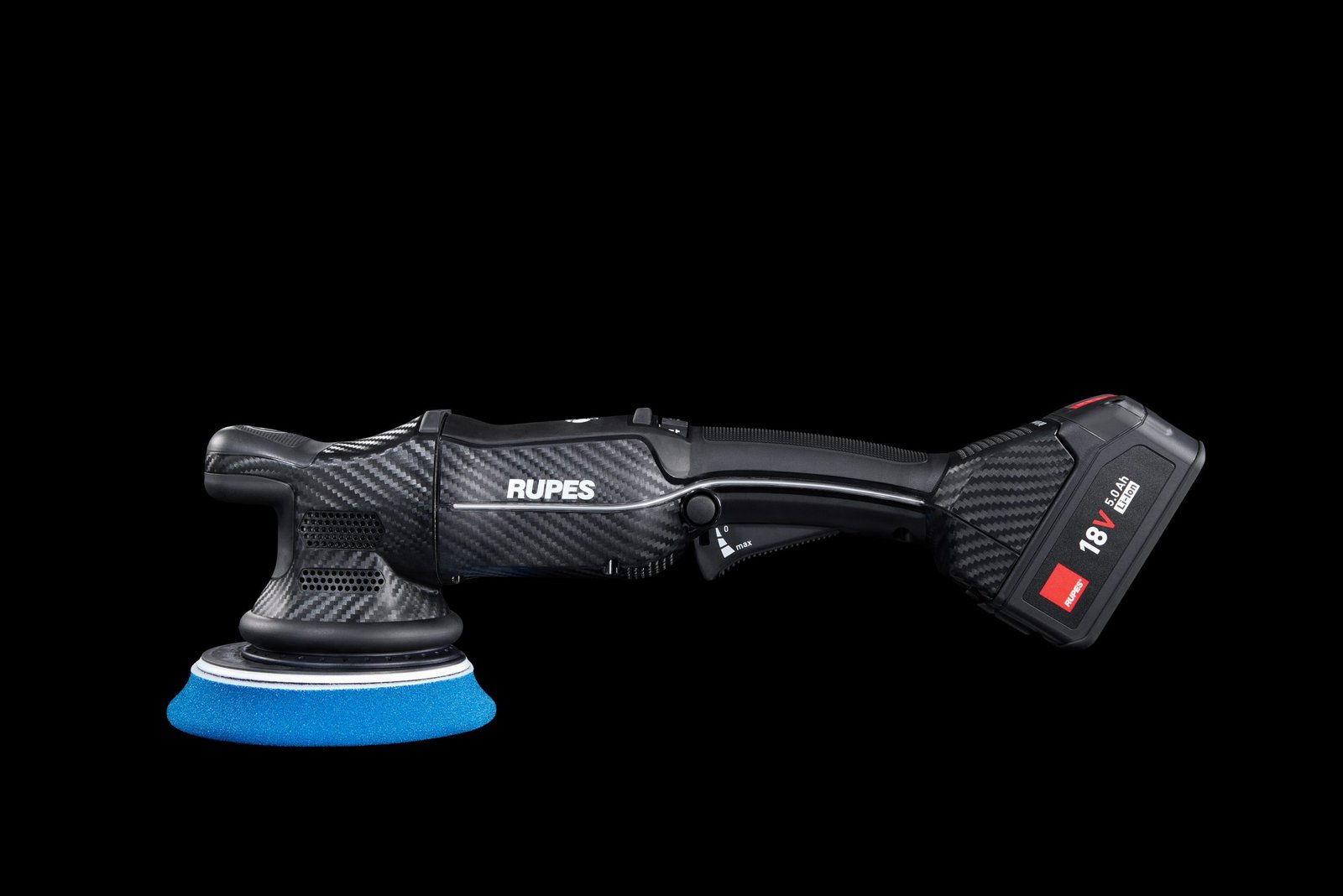
The published runtime is a starting point for planning, not a promise that one charge will complete a vehicle. Trigger time and total job time are different. Preparation, changing pads, wiping residue and inspecting results all interrupt polishing. A short maintenance session and a multi-stage correction can therefore place very different demands on the same battery inventory.
Record your current process before choosing a package. How long do you actually run the machine between natural breaks? Are those breaks long enough to support charging? Does the work need to continue uninterrupted? You do not need laboratory measurements to identify whether battery management would be a minor habit or a significant complication.
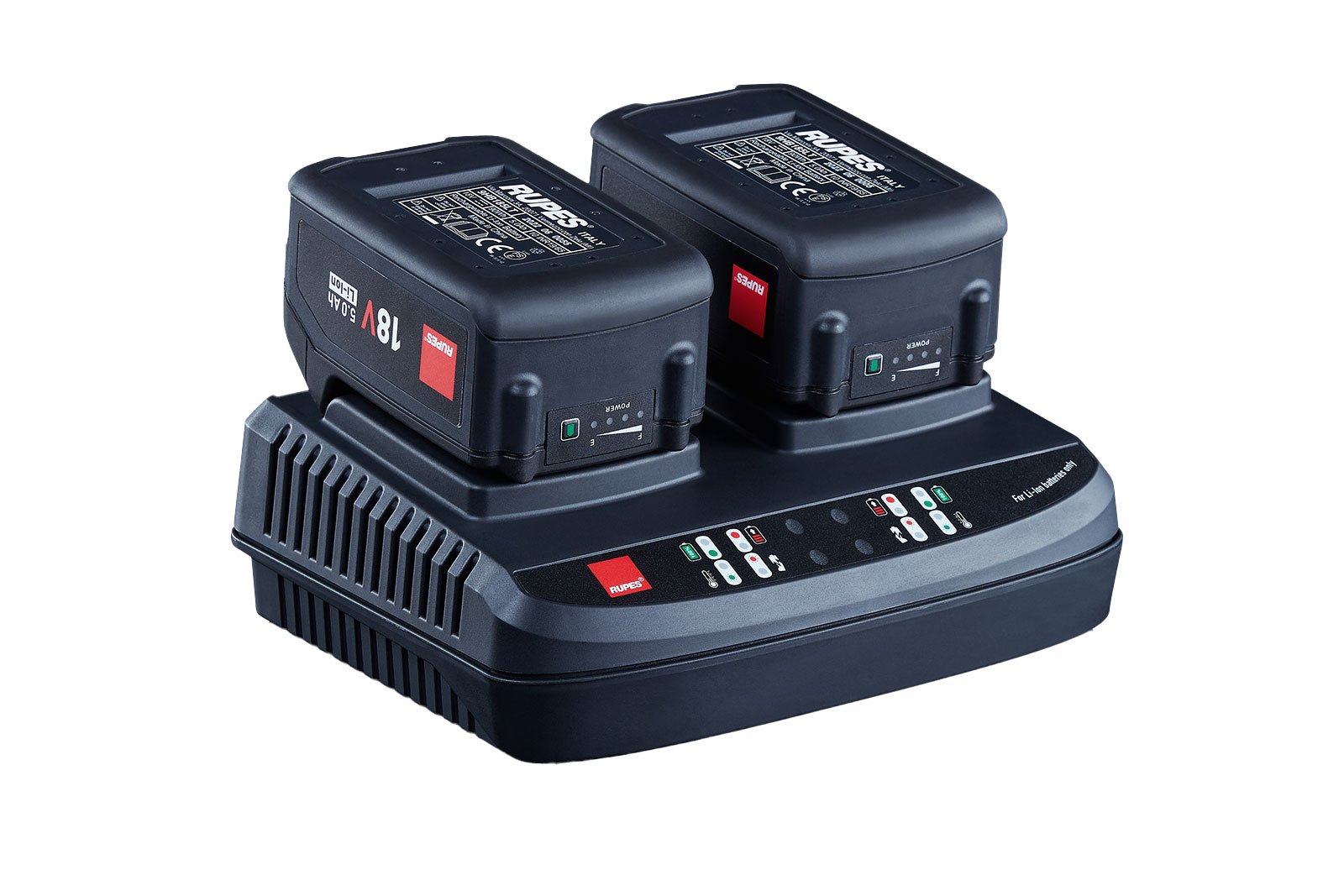
For a busy schedule, ask the seller how the included charger allocates charging between its slots. A charger that holds two packs does not automatically mean both charge simultaneously at full speed. Confirm this point from the current charger instructions before building a continuous-work plan around the product photograph.
Consider where charging will happen. A cordless machine still needs a practical route back to power for its batteries. If your main reason for buying is remote work, include the charging arrangement in the plan. A portable setup that works for a demonstration may not support the entire day you intend to schedule.
Bare tool, STD or BAS: choose the useful package
RUPES lists a bare-tool version, a STD package with two rechargeable packs and a dual charger, and a BAS package adding pads and compounds. Package labels and regional bundles can vary, so treat the seller’s written contents as the packing list. Our preference for a new buyer is to compare complete powered packages before looking at bare-tool discounts.
| Your situation | Package to investigate | Check before checkout |
|---|---|---|
| No compatible power equipment | STD or an equivalent complete kit | Battery count, charger model and local electrical compatibility |
| Starting a broader pad and liquid inventory | BAS or a retailer bundle | Whether you would buy every added consumable separately |
| Already own confirmed compatible packs | Bare tool | Compatibility by part number, battery condition and capacity needs |
The official 9HB185LT battery page identifies the intended HLR15/HLR21 pack. Do not infer compatibility merely because another battery is labeled 18V or belongs to a tool with iBrid in its name. Ask for the exact part number when a listing leaves the battery identity unclear.
A bigger bundle is useful only if its contents fit your process. Buying extra liquids you will not use can make a package look more generous than it is. Conversely, purchasing a bare machine and adding every essential item afterward can erase the apparent saving. Compare delivered totals, including shipping and tax, for setups that can perform the same intended job.
What does cordless freedom actually improve?
Our strongest reason to shortlist the HLR15 is movement around the work area. Think of freedom from a cord as an access and organization benefit. It does not, by itself, prove better correction, a cooler surface or a finer finish. Those outcomes require a comparison with controlled conditions and a clearly defined target.
Before paying for that freedom, try handling the tool with the battery installed. A bare-tool weight figure does not tell you how the working machine feels during vertical panels or awkward reaching. If a local demonstration is available, use positions that resemble your own vehicle instead of judging only from a comfortable tabletop stance.
Also consider storage and transport. A cordless setup includes packs, charger and protective storage as well as the machine. List the equipment you will carry, where it will be charged, and how you will keep track of it between jobs. The right purchase should make the whole routine easier, not simply remove one cable from it.
Full-size polishing versus tight-area work
Walk around the vehicle and distinguish broad panels from small painted sections. Mirrors, narrow bumper details and areas around badges may need a different approach from the hood or door. Buying a premium main-panel tool should not be an attempt to make one pad reach every contour.
If tight-area access is the problem you are trying to solve, read our mini polisher buying guide before choosing the HLR15. The related RUPES HLR75 review covers a compact-tool buying decision. Choose by the work area, then confirm the relevant accessories and power requirements.
For broader context, our 15 mm versus 21 mm comparison explains why orbit size should be matched to the task. A larger number is not a universal ranking of machines. Your vehicle shapes, handling preferences and available accessory system all belong in the decision.
Budget for pads, inspection and ownership
Set the total project budget before choosing a kit. Reserve money for appropriate pads, liquids, towels, preparation and inspection. Ask what you need for the intended process rather than counting how many objects appear in a bundle photo. A working inventory needs useful items in useful quantities.
Our foam, microfiber and wool pad guide helps you compare material roles. Confirm the approved plate and pad combinations for the machine before transferring accessories from another tool. A familiar diameter is only one part of that compatibility check.
Plan pad care between sessions as well. Follow the accessory maker’s instructions, inspect condition and allow suitable drying time. The polishing pad cleaning guide supports that ownership routine. Consumables that are worn, contaminated or unsuitable can undermine a carefully chosen tool setup.
Inspection matters when deciding whether a process has achieved its goal. Before spending the whole budget on a machine, assess whether you can see the results clearly in your actual work area. Our SCANGRIP SUNMATCH 4 review discusses a dedicated inspection-light purchase. Neither premium lighting nor a premium polisher replaces judgment about the surface.
Three ways to spend the same budget
| Option | Reason to consider it | Main buying question |
|---|---|---|
| HLR15 complete kit | Cordless full-size workflow is your priority | Can you support battery rotation and complete setup cost? |
| Corded RUPES platform | You prefer working from available mains power | Would keeping the cord free budget for better supplies? |
| Keep the current machine | Your bottleneck may be supplies or access | Would pads, lighting, instruction or a compact tool solve more? |
Read our RUPES LHR15 Mark V review when comparing a corded route. Notice the different letter order: HLR15 and LHR15 are distinct model names. Check the complete designation in the listing and on the seller’s invoice, especially when search results mix accessories and machines.
If your concern is the behavior of the drive system, our FLEX XCE versus XFE comparison is a useful separate decision guide. Do not expect switching from a cord to a battery to answer every question about handling or drive type. First identify which characteristic you actually want to change.
Checkout checklist for U.S. buyers
- Match the complete HLR15 model and the selected variation, not just the listing headline.
- Request a written list of tool, packs, charger, plate and consumables.
- Confirm local charger input requirements and the appropriate plug.
- Check seller identity, return conditions and how local warranty support is handled.
- Compare delivered totals after essential extras, shipping and tax.
- Confirm that the listing is for the machine or kit rather than a replacement component.
Our retailer buttons open a search rather than a verified in-stock offer. Search results can change, and a headline price may refer to a different variation. We have omitted fixed prices and discount claims so the buying decision does not depend on an expired promotion. Inspect the final selected package before placing an order.
Frequently asked questions
Is the RUPES HLR15 worth it for a weekend detailer?
It can be if cordless movement solves a frequent problem and the complete setup fits your budget. For occasional work near reliable power, compare a corded basket first. Our recommendation depends on use and total ownership cost, not a universal claim that everyone needs a premium cordless tool.
How long does the HLR15 battery last?
RUPES publishes 30–40 minutes. We have not measured runtime. Treat that range as a planning reference and evaluate your trigger time, breaks and charging arrangement before deciding how many packs you need.
Do two batteries guarantee continuous polishing?
No. Published charging time is longer than published runtime, so uninterrupted rotation should not be assumed. Actual workload, breaks, charger behavior and battery condition will affect your schedule.
Is the HLR15 the same as the LHR15 Mark V?
No. Confirm the complete model name when comparing packages. This article covers the HLR15 iBrid; our separate Mark V guide addresses the corded LHR15 buying decision.
Should I choose the bare tool or a kit?
Investigate a complete powered kit if you do not already own confirmed compatible equipment. A bare tool makes sense only after checking compatibility and pricing every missing essential. Compare the written contents and delivered total.
Final verdict: buy the workflow benefit
The HLR15 belongs on your shortlist when cordless full-size polishing is a deliberate priority. Our preferred buying process is to confirm the exact kit, plan battery availability and compare the total against a corded alternative. If that exercise reveals a clear practical benefit, the premium is easier to justify.
If the benefit remains vague, improve the supplies or skills around your existing machine first. A specific purchase goal leads to a better decision than buying the most expensive option available. Use the checklist above, confirm the seller’s contents and choose the setup you can keep ready for the work you actually do.
Search RUPES HLR15 kits on AmazonSources: RUPES HLR15 specifications and versions; RUPES 18V 5Ah power pack. Check current manufacturer instructions and retailer package details before purchasing.