
As an Amazon Associate, Best Auto Products earns from qualifying purchases. We may also earn commissions from Walmart links.
Choosing a 15mm vs 21mm dual action polisher? Our starting recommendation is a 15 mm machine for an owner who wants one main polisher for a mix of vehicle shapes. Shortlist a 21 mm setup when broad, accessible panels make up much of your planned work and you already have a practical way to handle smaller areas. The complete pad-and-machine configuration matters more than the orbit number alone.
About this guide: This is a research-based buying guide, not a controlled hands-on test. Manufacturer specifications were checked November 23, 2026. The buying scenarios and recommendations are editorial judgments; we have not measured correction speed, vibration or finish quality between these machines. Retailer buttons open searches, so confirm the exact model, seller and kit contents.
Jump to: Comparison · Choose 15 mm · Choose 21 mm · Setup budget · FAQs
15mm vs 21mm dual action polisher: the useful comparison
| Buying question | 15 mm setup | 21 mm setup |
|---|---|---|
| Example used here | RUPES LHR15 Mark V | RUPES LHR21 Mark V |
| Manufacturer-listed orbit | 15 mm | 21 mm |
| Listed backing plate on these examples | 125 mm / 5 inches | 150 mm / 6 inches |
| Our starting buying role | Main machine for varied vehicle shapes | Large-panel tool in a planned system |
| What to inspect before ordering | Supported pads and access around trim | Space for the complete moving pad |
| What orbit alone cannot establish | Finish, safety or job completion time | Finish, safety or job completion time |
Specification sources: RUPES LHR15 Mark V and RUPES LHR21 Mark V. These are two specific configurations, not a rule that every 15 mm or 21 mm machine must use those plate sizes.
Orbit size, backing plate size and pad size are different
The orbit figure identifies the diameter of the orbital movement. The backing plate is the part that supports the pad. The pad has its own attachment area and working face, which may be described differently in a retailer listing. Read all three measurements before buying a large pack of consumables. A listing that calls something a “six-inch pad” does not, by itself, establish compatibility with your chosen machine.
A useful shopping note has three separate entries: exact polisher model, manufacturer-approved backing plate and compatible pad part numbers. Keep that note beside you when comparing kits. It prevents a tempting accessory bundle from steering the purchase toward items you cannot use. If compatibility is unclear, ask the tool manufacturer or an authorized dealer rather than inferring it from photographs or a matching thread description.
Also check the operating mechanism. This article addresses random-orbital dual-action buying choices. An orbit measurement does not tell you whether another machine has forced rotation or behaves like these examples. When a retailer combines several polisher types on one page, confirm the exact variant before adding it to your cart.
Choose a 15 mm polisher for a varied one-machine shortlist
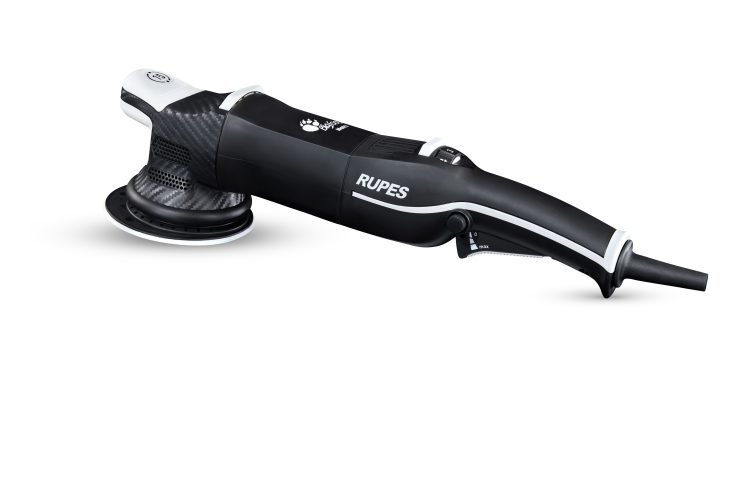
Product image: RUPES. Shown as a specific 15 mm configuration; this is not a photograph of our own test.
Our reason to begin with a 15 mm shortlist is flexibility in the purchase plan. A home owner may move between a hatchback, a sedan and an SUV, with no dedicated second polisher waiting on the shelf. In that situation, look closely at how the supported pad system fits the areas you expect to maintain. The smaller plate of the LHR15 example is a useful configuration to evaluate, although it still cannot reach every part of a car.
Walk around your vehicle before shopping. Identify the hood and doors, then the narrower painted areas near handles, mirrors, trim and body lines. Do not count only the easy panels. A machine that looks convenient on a broad hood may still leave substantial work that needs another tool or a different approach. Our recommendation assumes you value a practical main-machine compromise, not that 15 mm is universally superior.
The limitation is equally important: a 15 mm full-size machine is not a mini polisher. Avoid budgeting as though it will safely address every awkward curve. If you find that most of your planned work consists of small painted sections, read our mini polisher buying guide before deciding which tool should come first.
The RUPES LHR15 Mark V review covers that individual model. Buyers comparing premium 15 mm platforms can also use our FLEX vs RUPES comparison. Choose between those models after deciding that this size of setup fits your work.
Choose a 21 mm polisher when you have a large-panel plan
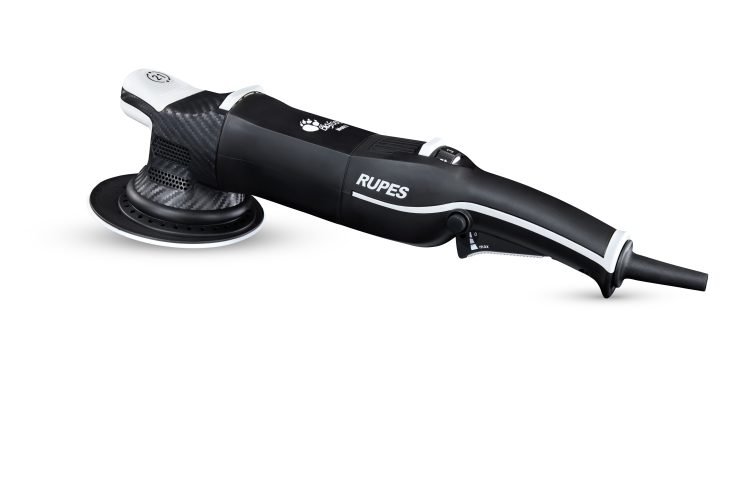
Product image: RUPES. Check the exact regional model and included accessories with your seller.
A 21 mm setup becomes more interesting when you can explain where it fits into the work. For example, you may regularly maintain vehicles with broad, accessible panels and already own a suitable smaller machine. In that case, your main polisher does not need to solve every access problem by itself. You can assess it for a specific role rather than as an all-purpose purchase.
Begin with the actual working area, not the vehicle category. An SUV can still have strong curves, trim interruptions and narrow sections. A sedan can have broad sections that are straightforward to reach. List the areas where the complete pad can work as intended, then list the areas that require something else. That is a more useful basis for a purchase than “large car equals 21 mm.”
The main tradeoff in our recommendation is the rest of the system. A larger supported pad configuration needs appropriate consumables and a realistic plan for the areas it cannot address. Do not force a full-size tool into a tight location merely because it is the only machine you bought. Leaving an awkward area for a suitable method is a valid part of planning the job.
We would postpone a 21 mm purchase if the case rests entirely on a promised percentage of time saved. Without a comparable test on your paint, pads and process, that figure is speculation. Borrowing a machine for an appropriate demonstration or attending training can answer handling questions that a specification table cannot.
Does 21 mm correct paint faster than 15 mm?
There is no dependable universal time-saving percentage to use for your purchase. Dividing 21 by 15 gives a ratio of orbit diameters, not a multiplier for finished vehicles per hour. A polishing job includes preparation, inspection, pad changes, wiping, checking the result and addressing difficult shapes. Any claimed shortcut needs evidence under comparable conditions.
If you have access to both machines through a dealer or training session, agree on the comparison before starting. Use an appropriate, consistent process, inspect the finish under the same lighting and record what had to happen to reach the target result. Comparing the time taken for one pass is less useful when the passes leave different finishes or require different follow-up work.
Comfort is another personal decision. Grip preference, working height and how you position yourself around a vehicle can affect which tool you want to use. We have not measured those effects here. Treat a demonstration as an opportunity to assess your own handling and ask questions, rather than as proof that every buyer will have the same experience.
Build the complete setup budget before comparing deals
Put each candidate into a complete shopping basket. Include the machine, compatible pads, suitable polishing liquids, inspection lighting, towels and supplies needed for your planned preparation. Add a smaller-tool solution only if your vehicle and project actually call for one. Compare delivered totals with tax and shipping, using current retailer information rather than an old promotional price.
Count useful pads, not just accessories. A kit with one example of several pad types may still need additional compatible pads for your intended workflow. Likewise, a bag or an extra bottle is only valuable if you would otherwise buy it. A more expensive-looking bundle can leave you with gaps, while a simpler machine-only offer can be sensible if you already own the right supplies.
Keep an allowance for learning. A premium tool does not replace instruction or inspection. If buying the machine consumes the entire budget, consider waiting or comparing a less expensive complete system. Our beginner dual action polisher guide and G9 vs RUPES LHR15 comparison help with that broader purchase decision.
Pads and inspection deserve their own decisions
Select pads and liquids around the task and the tool manufacturer’s compatibility guidance. Avoid assigning a guaranteed result to a material name alone. Foam, microfiber and wool describe categories with different products inside them. Our foam vs microfiber vs wool pad guide explains the separate selection questions so you can plan a suitable combination.
Plan how you will inspect the surface before and during work. Good inspection helps you decide whether the target result is reasonable and whether you should stop. A paint thickness reading can provide context, but it is not permission to remove a set amount of material. See how to read a paint thickness gauge for the limits of that measurement.
Also plan pad care and replacement rather than treating consumables as permanent accessories. Inspect the condition of pads and backing materials, and follow the relevant product instructions. Our polishing pad cleaning guide is a useful companion to the machine shortlist. A complete process is more valuable than choosing an orbit and improvising everything else.
Three buying scenarios to make the choice concrete
One family car, first serious setup: Start by comparing a complete 15 mm system with the beginner alternatives. Map the difficult areas before ordering. If the purchase leaves no money for suitable pads and inspection, change the budget or the shortlist. There is no need to choose the longest orbit to make a careful start.
Several vehicles, mixed body shapes: Treat the main machine and the small-area solution as separate decisions. A 15 mm setup is our first configuration to investigate for this mix, but let supported accessories, a handling demonstration and the full quote decide. Do not assume all your existing consumables transfer to the new tool.
Regular broad-panel work with a smaller tool already available: A 21 mm setup has a clearer role here. Price its compatible consumables and evaluate it in a relevant demonstration. If the whole system fits your workflow, it can be a deliberate addition. If the rationale remains an unverified speed claim, keep comparing before spending.
Before checkout: verify the exact tool and seller
Write down the generation, electrical version, kit code, included backing plate and accessory part numbers. For the RUPES examples, make sure a listing labeled simply “LHR15” or “LHR21” actually matches the Mark V version you researched. Check return terms, warranty eligibility and service arrangements for your region directly with the seller or manufacturer.
Retailer search results can mix machines, pads, replacement parts and older generations. Compare the title with the listing details and seller information. The buttons in this guide do not identify a verified in-stock offer or guarantee a particular price. Skip any listing that leaves a material compatibility question unanswered, even if its headline discount looks attractive.
Frequently asked questions
Is a 15 mm or 21 mm polisher better for beginners?
Our first shortlist for a beginner with varied vehicle shapes is a complete 15 mm setup, alongside suitable shorter-orbit alternatives. That is a buying recommendation, not a safety guarantee. Training, supported accessories and the condition of the paint still matter.
Can I turn a 21 mm machine into a 15 mm machine with a smaller plate?
No. Changing a backing plate does not change the specified orbit. Only use configurations the manufacturer approves for the exact model; do not assume that a part is suitable because the attachment appears compatible.
Does 21 mm mean a 21 mm polishing pad?
No. In this comparison it identifies the orbit, not the diameter of the pad. Check the orbit, backing plate measurement and compatible pad part number separately when ordering.
Will a 21 mm machine always finish better?
No universal finish ranking follows from the orbit number. Evaluate the complete combination and the result it achieves on the surface. This guide contains no controlled finish-quality measurements between the two configurations.
Do I need both sizes?
Not automatically. Buy a second main machine only when it solves an identified workflow problem. For some owners, a suitable small-area tool or better supporting supplies may address a more immediate need.
Our verdict: buy for the surfaces you actually work on
For a mixed home garage, begin with a 15 mm shortlist and compare the full setup cost. For regular broad-panel work with a separate small-area solution, evaluate a 21 mm setup. In both cases, verify supported accessories and exact kit contents before choosing a retailer. The right purchase is the one that gives you a workable process for your vehicle.