

As an Amazon Associate, Best Auto Products earns from qualifying purchases. Retailer links below open model searches; check the selected product, seller and package before buying.
Two machines · Two different drive systems
FLEX XCE vs XFE: choose the XCE 10-8 125 when you specifically want gear-driven orbital movement. Shortlist the XFE 7-15 150 when you want a free-spinning 15 mm platform for accessible full-panel work. Buying the right mechanism matters more than choosing the bigger orbit number.
Search XCE on AmazonSearch XFE on AmazonThese corded FLEX polishers can look like close substitutes in a shopping cart. Their names are similar, and both appear in premium detailing discussions. The useful comparison starts with what you want to change about your current process: the drive type, the areas you polish, or the cost of a complete working setup. This guide turns those questions into a practical shortlist without pretending one tool wins every job.
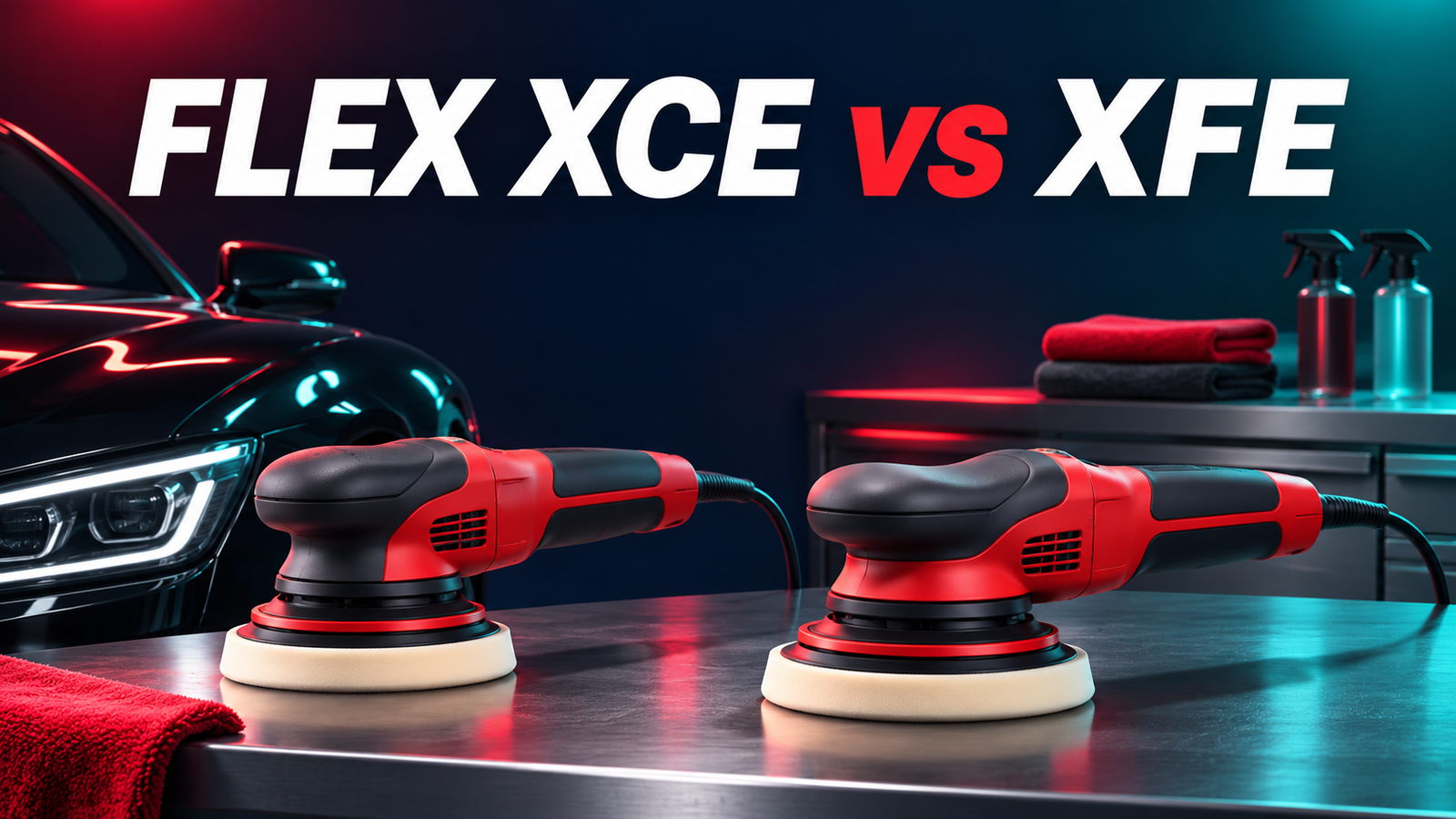
How this comparison was prepared: Research-based buying guidance using FLEX product documentation checked November 25, 2026. We have not performed a side-by-side hands-on test or measured correction time, temperature, vibration or finish quality. Recommendations are editorial judgments, and the feature artwork is an AI illustration rather than a photograph of the exact models.
FLEX XCE vs XFE: the differences that matter
| Buying question | FLEX XCE 10-8 125 | FLEX XFE 7-15 150 |
|---|---|---|
| U.S. item number | 436720 | 436712 |
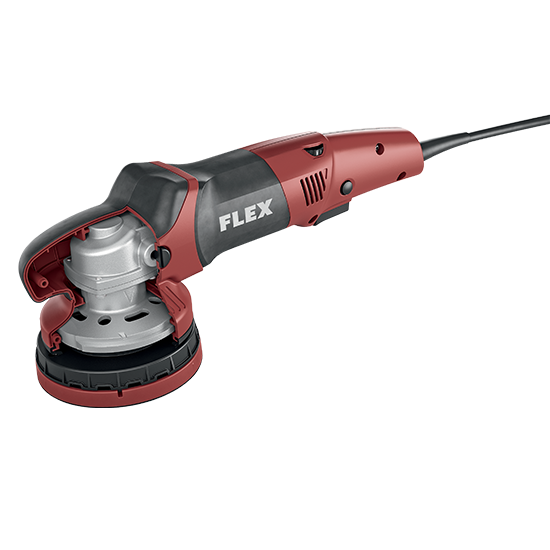
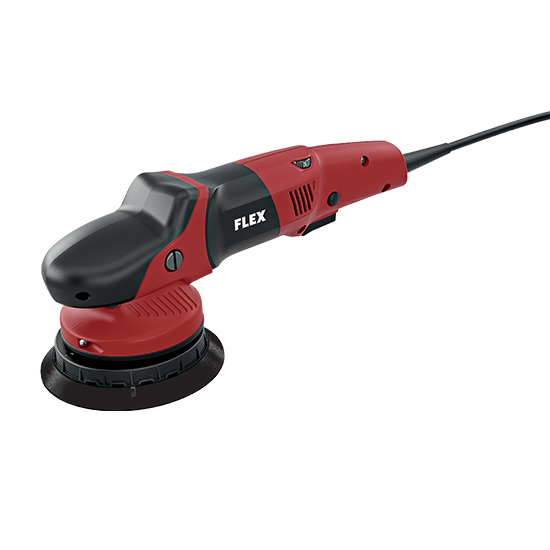
| Drive configuration | Gear-driven orbital, often called forced rotation | Free-spinning random orbital |
| Orbit diameter | 8 mm | 15 mm |
| Power arrangement | Corded | Corded |
| Strongest reason to shortlist | You have deliberately chosen positive drive | You have deliberately chosen a free-spinning platform |
| What needs checking | Handling, compatible plate, useful pad inventory | Panel access, compatible plate, useful pad inventory |
| What the specification cannot prove | Guaranteed correction speed or paint safety | Guaranteed correction speed or paint safety |
The mechanism and orbit entries come from the FLEX XCE product page and FLEX XFE product page. Other rows are buying guidance. Similar model names also appear on cordless and international versions, so match the complete designation rather than relying on the first three letters.
Forced rotation versus free-spinning: start here
The XCE mechanically drives rotation as part of its orbital movement. The XFE uses a free-spinning arrangement. That distinction is the foundation of this purchase decision. A larger stroke is not automatically an upgrade across different mechanisms, and treating 15 mm as a score against 8 mm hides the reason these two machines exist.
Write down the problem you want a new tool to solve before choosing either one. “I want another premium polisher” is a difficult goal to evaluate. “I want a different drive response after trying a demonstration” is much more useful. It gives you something specific to assess before you commit to a machine and a new collection of accessories.
For an operator who already owns a free-spinning machine, the XCE represents a change in platform. The question is whether that change earns its place in the workflow. If the current equipment already produces the result you want in the available time, another machine may be less valuable than better lighting, instruction or a fuller supply of suitable pads.
Which FLEX polisher should you choose?
Shortlist the XCE when…
You understand the difference between drive systems and have a specific reason to add positive drive. Arrange a demonstration, assess control and confirm the accessory system before purchasing.
Compare XCE listingsShortlist the XFE when…
You want a premium free-spinning machine and most planned work is on accessible painted panels. Compare it against other complete free-spinning setups before stretching your budget.
Compare XFE listingsFor a first machine
Start by pricing everything needed for the first job. Include preparation, compatible pads, polish, towels, inspection and time to learn. A premium machine bought without those essentials can leave a less workable setup than a modest machine supported by the right supplies. Neither model replaces the need to understand the surface and choose a sensible target finish.
Our beginner dual action polisher guide gives you a broader starting point. Make a shortlist of two or three complete systems at the same total budget. Only then decide whether the FLEX option offers something you will use. There is no benefit in paying for a feature you cannot connect to a real task.
For an experienced owner adding a second machine
Assign each tool a job on paper. A useful second purchase might support a different process or provide backup when downtime is costly. An unclear second purchase tends to duplicate the role of equipment already on the shelf. Consider where the new machine will live, how its supplies will be stored and whether keeping both platforms ready creates extra work.
Ask yourself what would make you reach for one tool instead of the other on the next vehicle. If the answer remains vague after a demonstration, delay the purchase. Read the individual XCE 10-8 125 review and XFE 7-15 150 review for model-specific considerations before building the final basket.
Panel shape and access can change the answer
Walk around the actual vehicle you plan to maintain. Separate broad accessible sections from narrow painted areas around badges, handles, mirrors and complex bumpers. This simple inspection helps reveal whether you are choosing a main-panel tool or trying to solve an access problem. Those are different buying decisions, even when the retailer places all the machines in one category.
Do not assume a forced-rotation purchase makes a full-size pad suitable for every contour. Likewise, do not assume a long-throw purchase removes the need to plan clearance. If most of the frustrating areas are small, put a compact solution on the shortlist. Our mini polisher comparison addresses that role directly.
Think about your working position as well as the painted surface. A comfortable demonstration at waist height does not reproduce every part of a tall vehicle. Before buying, consider how you will reach the work and see the pad contact area. If a tool feels awkward in the positions you actually need, an attractive feature list will not fix that mismatch.
Can either machine correct faster or finish better?
We cannot name a measured winner without a controlled comparison. A useful test would define the starting surface, pad and liquid system, operator, inspection method and target finish. Comparing a short online clip with a different vehicle tells you little about how much work was actually required. Treat unsupported “twice as fast” claims cautiously when budgeting for equipment.
For your own purchase assessment, ask a demonstrator to explain the choices behind the process. What result are they targeting? Why that pad and liquid? How do they decide to stop or change the combination? Those answers help you judge whether the system fits your work. A dramatic before-and-after image does not explain the complete procedure or the condition of the finish.
If a seller claims one model is always safer, ask what that statement actually covers. Surface history, repairs, defects and the proposed correction matter. No machine selection establishes how much material can be removed. The paint thickness gauge guide explains why a measurement needs context and cannot become a universal removal allowance.
Compare the complete setup cost
Build two equivalent shopping baskets. Each should contain the exact machine, a confirmed compatible backing plate, sufficient appropriate pads, suitable liquids, towels and preparation supplies. Add shipping and tax. Compare the delivered totals for a usable setup rather than a bare tool against a large bundle with unrelated extras.
| Budget item | Question to ask before ordering |
|---|---|
| Machine | Does the listing match the model, region and condition you want? |
| Backing plate | Which approved part is actually included? |
| Pads | Are there enough useful pads for your intended process? |
| Liquids and towels | Would you have chosen these items separately? |
| Support | Who handles returns, warranty questions and replacement parts? |
| Delivered total | Are shipping, tax and essential extras included in your comparison? |
A bundle can look generous while supplying only one pad of each type. That may not be the pad inventory you need. Ask how the package supports the planned job and what will need to be bought immediately afterward. Count accessories by usefulness rather than by the number of items in the product photograph.
We have omitted fixed prices and sale claims because they change. The Amazon buttons open searches, not verified in-stock offers. Results may include replacement parts, different electrical versions or other machines. Open the individual listing, check the selected variation and confirm who sells it before comparing the delivered total.
Pad compatibility and ownership after checkout
Treat the machine, plate and pad as separate checks. A familiar diameter does not answer every fit question, and a pad material does not define one level of cut. Keep approved part numbers with your shopping notes. If a retailer cannot clarify a package’s plate or pad contents, resolve that uncertainty before ordering rather than treating the product image as a packing list.
Our foam, microfiber and wool comparison helps organize material choices. Follow the actual accessory instructions when selecting a combination. If you already own pads, inventory what you have and check compatibility before assuming they transfer to the new setup. Replacing unsuitable supplies can change the apparent price advantage.
Ownership also includes care, inspection and replacement. Set aside time to clean supplies, let them dry as directed and check their condition before the next job. The polishing pad cleaning guide is a useful companion. A working system depends on consumables remaining suitable, not simply on the motor continuing to run.
A practical shortlist in five steps
- Name the problem: drive preference, access, setup completeness or backup capacity.
- Inspect the vehicle: identify where a main machine can work and where another approach is needed.
- Try the platform: assess handling with instruction on suitable practice material.
- Price matching baskets: include compatible accessories, consumables and delivered cost.
- Check the seller: record the exact model, written package contents, returns and regional support.
If you decide the XFE category fits but want another premium reference point, read our FLEX XFE versus RUPES LHR15 Mark V comparison. If orbit size is your unresolved question within free-spinning options, use the 15 mm versus 21 mm guide. Keep each comparison focused on the decision it actually answers.
Frequently asked questions
What is the main difference between FLEX XCE and XFE?
For the corded models covered here, the XCE 10-8 125 uses a gear-driven orbital configuration, while the XFE 7-15 150 is free-spinning. That mechanism difference is more useful for choosing between them than the orbit number alone.
Does the 15 mm XFE automatically outperform the 8 mm XCE?
No universal performance ranking follows from orbit size. These are different drive systems. We have not conducted a controlled head-to-head test, so we do not claim a measured correction-speed winner.
Which should a beginner buy?
Compare complete beginner setups first. Choose only after allowing for supplies, instruction and practice. A premium purchase makes sense when its specific platform fits your planned work and the full setup stays within budget.
Are these the cordless FLEX models?
No. This comparison concerns the corded XCE 10-8 125 and XFE 7-15 150. Check the complete model and regional electrical rating because similar names appear on other FLEX products.
Can I use one machine on every painted area?
Do not assume that. Inspect access and pad clearance on the actual vehicle. Small sections can call for a smaller tool or another suitable approach, regardless of which main machine you choose.
Our buying verdict
Choose the XCE when positive drive is an intentional requirement and you have evaluated the platform. Choose the XFE when a premium free-spinning setup matches the work you plan to do. If neither solves an identified problem, improve the completeness of your current setup before buying another machine. The strongest purchase is the tool you can support, control and use for a clearly defined role.
Search FLEX XCE offersSearch FLEX XFE offersSource notes: Core model identity, orbit and mechanism were checked against the two linked FLEX U.S. product pages. For operating requirements, use the manufacturer instruction manual supplied for your exact machine. This article is buying guidance, not a substitute for those instructions.

1 thought on “FLEX XCE vs XFE: Which Corded Polisher Should You Buy?”