

As an Amazon Associate, Best Auto Products earns from qualifying purchases. We may also earn commissions from Walmart links.
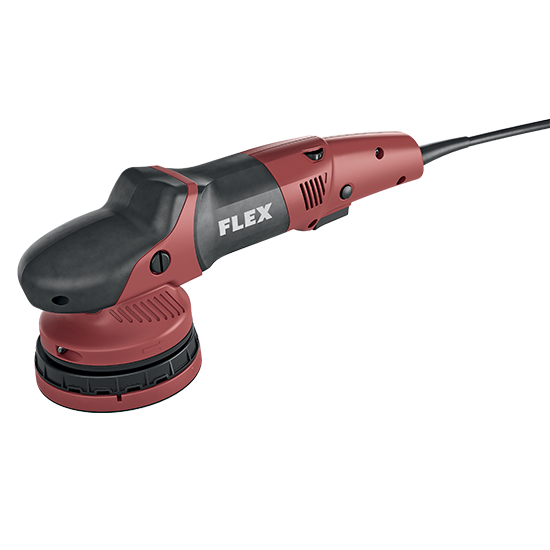
This FLEX XCE 10-8 125 review answers a specific buying question: should you pay for a corded, gear-driven orbital polisher instead of choosing another free-spinning machine? Our recommendation is to shortlist the XCE when positive drive solves a problem you have identified in your polishing workflow. For a first machine used occasionally on a family car, compare a complete beginner setup before committing to this premium option.
Review method: This is a research-based product assessment, not a hands-on test. Manufacturer information was checked November 24, 2026. We have not measured correction speed, vibration, noise, operating temperature or finish quality. Recommendations below are editorial judgments. Retailer buttons open searches; availability, seller authorization and exact kit contents need checking before purchase.
Jump to: Specifications · Who should buy? · Alternatives · Full setup cost · FAQs
FLEX XCE 10-8 125 review: specifications that matter
| Item | Manufacturer information | Buying implication |
|---|---|---|
| Model / U.S. item number | XCE 10-8 125 / 436720 | Match both identifiers when comparing listings |
| Operation | Corded, gear-driven orbital | Different purchase from a free-spinning DA |
| Orbit | 8 mm | Orbit length alone does not rank correction performance |
| Listed no-load rotation | 140–430 rpm | Do not confuse rotation with orbit rate |
| Listed orbit rate | 2,900–8,600 opm | Separate movement specification |
| Motor | Not brushless | Check the corded model, not a similarly named cordless version |
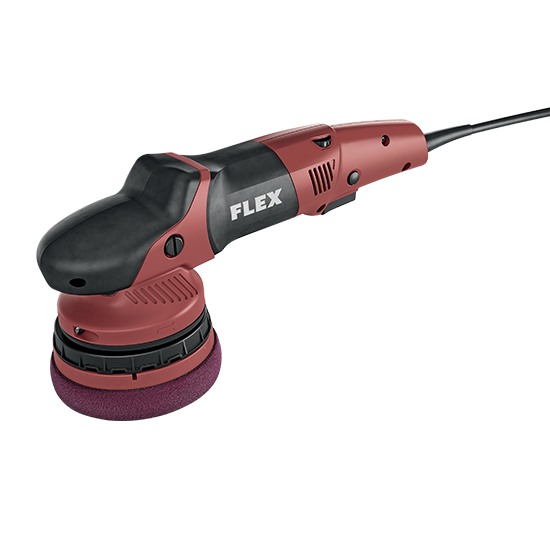
| Listed maximum backing pad | 6 inches | Verify the supplied plate and compatible pads separately |
Source: FLEX U.S. product page for item 436720. FLEX lists electronic speed management, soft start, restart protection and overload/temperature monitoring. These features do not establish a safe correction limit for any particular vehicle. Confirm regional electrical requirements and included accessories with the seller.
What forced rotation changes in the buying decision
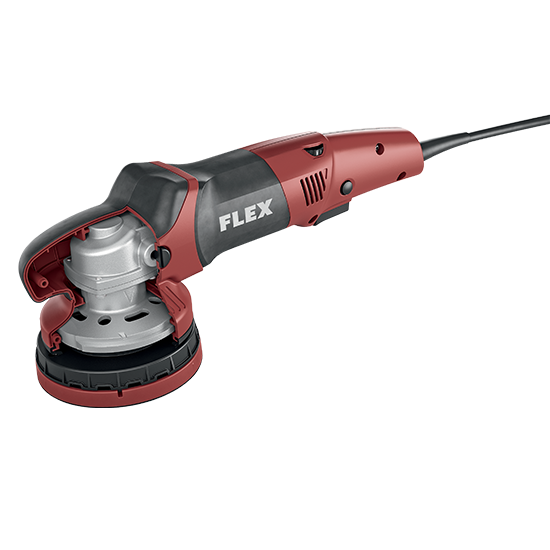
The defining distinction is how the backing plate rotates. In a gear-driven orbital machine, rotation is mechanically driven alongside the orbital movement. A free-spinning dual-action machine uses a different mechanism. Both belong in a discussion of orbital polishers, but putting them in the same shopping basket without acknowledging that difference can lead to an unsuitable purchase.
The practical question is whether you want that positive drive in your process. A buyer who already understands polishing may be looking for a different response from the machine on the shapes they maintain. That is a reason to arrange a demonstration. It is not evidence that this tool will shorten every job, remove every defect or suit every operator.
Avoid shopping by orbit length alone. An 8 mm gear-driven machine and a 15 mm free-spinning machine differ in more than stroke. Pad system, liquid, surface condition, technique and access all affect the work. Our 15 mm vs 21 mm buying guide explains why a bigger orbit number is an incomplete basis for choosing a polisher.
Who should consider the FLEX XCE?
An experienced owner seeking a specific drive type: This is the clearest candidate. You know what your current machine does well, have identified a limitation and can explain how another tool would fit. Before ordering, evaluate a demonstration on an appropriate surface with instruction. Pay attention to handling and control, not just how quickly a demonstrator completes one section.
A detailer adding a deliberate second platform: A second main machine makes sense when it fills an actual role. List the tasks you would assign to it and the tasks your existing equipment would retain. Then include the ongoing cost of a separate compatible pad inventory. Owning two machines is less useful when neither has a clearly defined job.
A buyer who prefers corded operation: Corded power can suit a fixed work area where cable routing is manageable. Think through the actual parking position, outlet access and movement around the car. A vehicle parked far from an appropriate supply changes the purchase calculation. Read the manufacturer instructions for electrical use rather than improvising an extension arrangement.
Who should compare other polishers first?
If this is your first polishing machine, start with the total learning and equipment budget. A premium badge cannot replace practice, suitable pads, inspection or a cautious target result. Our beginner dual action polisher guide gives you another starting point. A less expensive complete setup may fit occasional maintenance better than a premium tool with essential supplies missing.
If your main problem is access around tight painted sections, this full-size machine may not address it. Walk around the vehicle and mark the narrow areas before spending. The mini polisher comparison covers a different buying problem. Do not choose a full-size polisher on the assumption that changing technique will make every small area accessible.
If you want cordless convenience, verify the exact model family before buying. Similar letters and numbers are easy to confuse in retailer search results. This article concerns the corded XCE 10-8 125, item 436720. A cordless listing requires its own checks for battery platform, included batteries, charger, regional support and full working-system cost.
Strengths and limitations: a balanced shortlist
| Reasons to shortlist | Reasons to pause |
|---|---|
| Positive-drive orbital mechanism | Needs a deliberate reason to choose it over free-spinning alternatives |
| Corded platform for a planned work area | Cable routing and suitable electrical access matter |
| Electronic controls listed by FLEX | Controls cannot establish paint safety for you |
| Can fit a dedicated main-machine role | Does not eliminate small-area tool needs |
These are purchase tradeoffs, not scored test results. We cannot rank comfort or vibration without comparable measurements and operator feedback gathered under controlled conditions. If those factors determine your purchase, seek an authorized demonstration and a clear return policy. A specification table narrows a shortlist; it cannot answer every handling question for you.
FLEX XCE vs XFE vs RUPES: choose the mechanism first
The FLEX XFE 7-15 150 is worth comparing if your interest is a premium free-spinning 15 mm platform. The shared FLEX branding does not make it interchangeable with the XCE. Decide whether you are seeking positive drive or a free-spinning configuration, then compare exact accessories, support and complete price within that decision.
The RUPES LHR15 Mark V is another route for buyers investigating a premium free-spinning setup. We have not established a universal winner between it and the XCE. A meaningful comparison would require an agreed process and an equivalent target finish. Buying on an unsupported claim that one always corrects faster is unlikely to resolve your real needs.
For a tighter budget, read the Griot’s Garage G9 review and price an entire system. The relevant question is what your total spend buys for the work you expect to perform. Keep pads, liquids and inspection in both baskets. Comparing a bare premium machine against a fully equipped alternative hides the real difference in purchase cost.
Budget for the complete polishing system
Build a written shopping list before comparing offers. Start with the exact machine, a confirmed compatible backing plate and appropriate pads. Add liquids selected for the task, suitable towels, preparation supplies and inspection lighting. Include delivery and tax in the quote. A bundle is only attractive when the accessories are useful, compatible and things you would otherwise need to buy.
Ask how many usable pads the package provides for your intended process. Several different sample pads are not necessarily the same value as enough of the pad type you actually plan to use. Do not adopt a cutting or finishing combination merely because it was included in a kit. Compare the pad maker’s instructions and machine compatibility before deciding what belongs in your cart.
Leave room for instruction and replacement consumables. A first purchase can become frustrating when the machine consumes all available money and the supporting supplies are postponed. If the complete basket exceeds your budget, reconsider the timing or shortlist. There is no obligation to own a premium machine before learning a careful, repeatable process on suitable practice material.
Pad compatibility: check part numbers, not just diameter
Treat the machine, backing plate and pad as three separate compatibility checks. The number printed in a model name is not a complete accessory specification. Retailers may describe a pad by its working face while another listing emphasizes the attachment diameter. Ask for approved part numbers when the fit is unclear, and keep the answer with your purchase records.
The foam vs microfiber vs wool pad guide helps frame material choices, but a material category does not guarantee a specific result. Different pads within the same category can serve different purposes. Choose a supported combination for the surface and planned process, then evaluate an appropriate test area before extending the work.
Include cleaning and inspection in the plan. A worn or damaged accessory should not remain in use because it was expensive. Follow the relevant care instructions and inspect the attachment surfaces. Our polishing pad cleaning guide is a companion resource for understanding the maintenance side of the purchase, rather than treating pads as permanent parts of the machine.
Inspection and realistic correction targets
Before polishing, identify what you want to improve and what you are prepared to leave alone. Defect removal is not an unlimited target, and an expensive machine does not reveal the remaining clear coat. Previous repairs and unknown polishing history deserve attention. When the surface condition is uncertain, professional inspection can be more valuable than purchasing a more powerful-looking tool.
Our paint thickness gauge guide explains why a reading needs context. Do not convert a total coating measurement into an assumed allowance for removal. Likewise, inspection lighting helps you see changes but does not certify that continued correction is appropriate. Stop when the result or surface behavior raises questions rather than chasing a perfect-looking finish at any cost.
Use manufacturer instructions and appropriate training to establish the working procedure. We have intentionally not prescribed one speed, pressure or pass count for every paint system. If you arrange a demonstration, ask how the instructor chooses a starting combination and decides when to change it. That decision process is more useful than copying a single setting without understanding its context.
Before checkout: exact model, seller and support
Record “XCE 10-8 125” and “436720” when shopping for the U.S. model covered here. Check the electrical version, seller identity, condition, return terms and written package contents. Ask whether the listed backing plate and any advertised pads are included or pictured only for illustration. An ambiguous listing should be clarified before payment, even if its headline price looks attractive.
Verify warranty eligibility and service arrangements with the manufacturer or an authorized seller for your region. Do not assume a marketplace seller has the same support terms as an authorized dealer. Save the invoice, model information and seller’s written responses. Those details can matter more over the ownership period than a bag or extra bottle included in a promotion.
Retailer buttons in this article open model searches, not verified in-stock offers. Results can contain replacement parts, accessories, other XCE variants and unrelated products. Read the individual listing before comparing prices. We have omitted fixed prices and discount claims because they change, and no price here should be interpreted as a confirmed current deal.
Frequently asked questions
Is the FLEX XCE 10-8 125 forced rotation?
Yes. FLEX identifies this corded model as a gear-driven orbital polisher. Confirm item 436720 when researching the U.S. product, since similarly named variants appear in searches.
Is it the same as the FLEX XFE 7-15 150?
No. The models use different drive configurations and orbit sizes. Choose the mechanism and supported accessory system that fit your planned work rather than assuming the shared brand makes them equivalent.
Is it a good first polisher?
It belongs on a first-time buyer’s shortlist only when there is a clear reason to choose this platform and enough budget for instruction and supplies. Compare complete beginner alternatives before buying the premium tool alone.
Will it remove every scratch?
No machine purchase justifies that expectation. The surface, defect depth and permissible correction limit matter. Some defects should remain, and uncertain paint condition is a reason to seek professional assessment.
Does a smaller orbit make it slower than a 15 mm polisher?
Orbit diameter alone does not establish job completion time, especially across different drive mechanisms. We have not conducted a controlled correction-speed comparison.
Final verdict: buy the XCE for an identified role
The FLEX XCE 10-8 125 is a focused premium option for buyers who want positive-drive orbital operation in a corded machine. Shortlist it when you can connect that mechanism to your workflow and verify the complete accessory system. For occasional use, a first setup or small-area access problems, compare the alternatives before committing. The strongest purchase is a complete, workable system with realistic expectations.

1 thought on “FLEX XCE 10-8 125 Review: Is Forced Rotation Worth It?”